

Direct Air Connectivity Restored Between Asian Giants
In a significant development for bilateral relations, India and China have resumed direct flight operations after a prolonged suspension dating back to the COVID-19 pandemic. The restoration of air connectivity marks a notable step toward normalizing ties that were severely strained following the 2020 Galwan clashes.
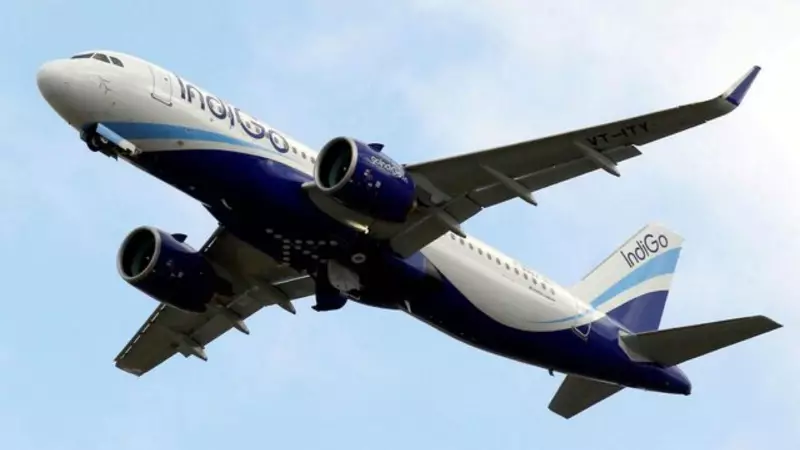
The Indian budget carrier IndiGo has commenced direct flights to Guangzhou, while China Eastern Airlines will launch Shanghai-Delhi routes starting November 9, with services operating three times weekly. This revival of air links comes as a relief to travelers who previously faced the inconvenience of multiple connecting flights to reach their destinations.
Building Momentum Through Connectivity
The resumption of direct flights follows multiple rounds of diplomatic discussions and coincides with Prime Minister Narendra Modi's recent visit to China for the Shanghai Cooperation Organisation meeting. According to travel data provider OAG, the two nations operated approximately 2,600 annual flights before the 2019 suspension.

Chinese consular official Qin Yong described the flight restoration as "a very important day for the India-China relationship." The Indian government has echoed this sentiment, stating that enhanced people-to-people contact will support the normalization process. Adding to this momentum, Air India plans to launch China operations by the end of 2025.
Beyond aviation, India has begun permitting Chinese tourists this year and is progressing toward approving Chinese goods for Indian markets. A senior government official confirmed that "We will soon begin issuing and renewing licences for suppliers from several countries, including China."
The Persistent Border Challenge
Despite these positive developments, fundamental challenges persist in the relationship. The unresolved border issue continues to cast a shadow over bilateral progress. Since October 2024, both nations have managed to build positive momentum, but the border situation remains the primary obstacle to meaningful reconciliation.
What makes the situation particularly concerning is the apparent lack of urgency in resolving border disputes, despite their potential to derail the entire relationship and render other progress meaningless. While India consistently emphasizes the need for early border settlement, Beijing appears more focused on economic opportunities within the large Indian market.
Chinese media outlets like Global Times have highlighted that resumed flights will boost Indian tourism, quoting Chinese enterprise representatives who note that "China is showing willingness to deepen economic cooperation, but India's attitude toward Chinese-funded companies has not fundamentally changed."
Historical Context and Future Prospects
The current situation mirrors historical patterns. The 1988 normalization following Rajiv Gandhi's China visit was similarly built on hopes that economic engagement and people-to-people contacts would improve relations. However, recent years have demonstrated that neither interdependence nor connectivity—despite bilateral trade reaching $130 billion—can adequately build trust or reduce the centrality of border issues.
Sovereignty concerns and nationalism further complicate resolution efforts. The experience suggests that until border disputes are settled and genuine trust established, peace built through trade and connectivity will remain fragile. In an interdependent world where interaction is essential, sovereignty and security continue to drive foreign policy decisions for both nations.
For a genuine thaw and lasting trust to develop, India and China must not only maintain interaction but also deepen mutual understanding and work collaboratively to resolve their differences. The road ahead requires balanced attention to both economic cooperation and fundamental security concerns.






