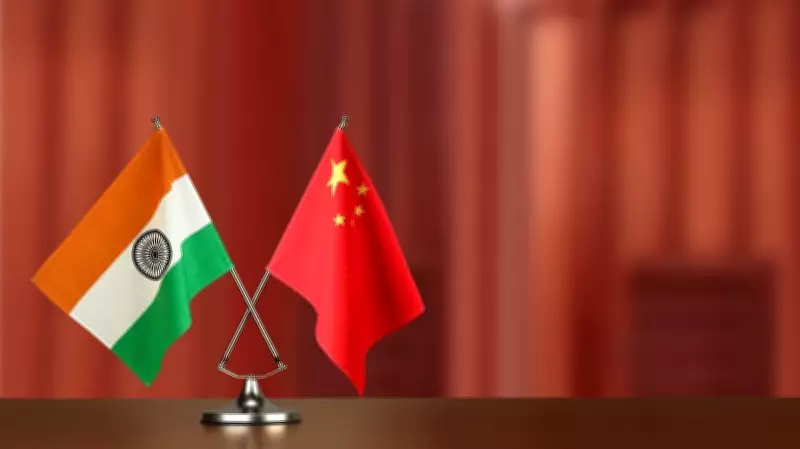
Is India-China Tango on Beijing's Tune? Analyzing the Shifts in Bilateral Relations
In the complex geopolitical landscape of Asia, the relationship between India and China remains a critical focal point for regional stability and global diplomacy. Recent developments suggest a subtle but significant shift in New Delhi's approach toward its northern neighbor, raising questions about strategic alignment and national priorities.
The Stagnant Border Situation: A Persistent Challenge
The border situation between India and China has not changed significantly since October 2024, maintaining a tense and unresolved status that continues to pose security risks and diplomatic hurdles. This prolonged stalemate underscores the deep-seated territorial disputes and military posturing that have characterized the relationship for decades.
Despite this lack of progress on the ground, New Delhi appears to have sidelined border resolution and de-escalation efforts in its recent engagements with Beijing. This strategic pivot marks a departure from earlier emphases on immediate conflict resolution and military disengagement, potentially signaling a broader recalibration of India's foreign policy objectives.

Embracing Beijing's Narrative: People-to-People and Win-Win Cooperation
Instead of pushing aggressively for border solutions, India now seems to be toeing Beijing's preferred narratives of 'people-to-people' contact and 'win-win cooperation'. This shift involves increased cultural exchanges, economic partnerships, and diplomatic dialogues that emphasize mutual benefits and civilian engagement over military confrontations.
The adoption of these themes reflects a calculated move by New Delhi to explore alternative pathways in bilateral relations, possibly aiming to build trust and reduce tensions through non-military means. However, critics argue that this approach may inadvertently prioritize Chinese diplomatic frameworks over India's core security interests, especially regarding the unresolved border issues.
Implications for Regional Diplomacy and National Security
This evolving dynamic has profound implications for regional diplomacy and India's national security strategy. By aligning more closely with Beijing's narrative, New Delhi risks:
- Diminishing its leverage in border negotiations
- Potentially undermining its strategic autonomy in the Indo-Pacific region
- Creating perceptions of acquiescence to Chinese geopolitical ambitions
On the other hand, proponents of this shift suggest that fostering people-to-people ties and economic cooperation could lay a stronger foundation for long-term stability, eventually facilitating more productive border talks. The balance between immediate security concerns and broader diplomatic engagement remains a delicate and contentious issue within Indian policy circles.
As of March 30, 2026, the situation continues to evolve, with both nations navigating a complex interplay of competition and cooperation. The ultimate success of India's current approach will depend on its ability to secure tangible benefits while safeguarding territorial integrity and national sovereignty in this high-stakes geopolitical tango.