

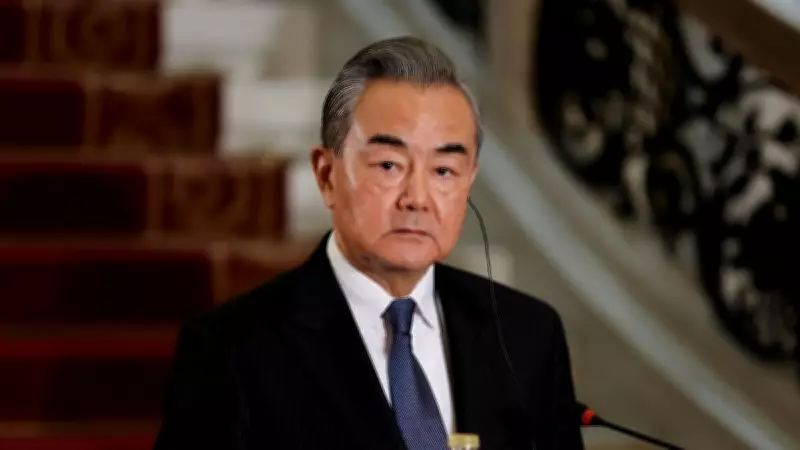
India-China Relations on Path of Improvement, Says Chinese FM Wang Yi
Chinese Foreign Minister Wang Yi has declared that the bilateral relations between India and China are currently on a correct path of improvement, signaling a significant shift in diplomatic dynamics between the two Asian giants. This statement comes as both nations have been actively working to mend their ties, which had been severely strained following the 2020 military standoff in the Galwan Valley.
Efforts to Stabilize Relations Intensify
Over the last few months, India and China have stepped up their efforts to stabilize and reset their relationship, which had plunged to its lowest point in decades due to the Galwan Valley incident. The standoff, which resulted in casualties on both sides, created a major rift, but recent diplomatic engagements suggest a mutual desire to move forward and rebuild trust.
Wang Yi emphasized that the current trajectory is positive, with both countries engaging in high-level talks and confidence-building measures to address border issues and other bilateral concerns. This development is seen as a crucial step towards de-escalating tensions and fostering a more cooperative environment in the region.

Background of the Galwan Valley Standoff
The 2020 Galwan Valley military standoff was a pivotal moment that dramatically altered the India-China relationship. It led to a series of diplomatic and military confrontations, with both sides deploying additional troops along the Line of Actual Control (LAC). The incident not only heightened security concerns but also impacted economic and cultural exchanges between the two nations.
In response, India and China have since initiated multiple rounds of talks at various levels, including military and diplomatic channels, to resolve the border disputes and prevent further escalation. These efforts have gradually contributed to a thaw in relations, as highlighted by Wang Yi's recent comments.
Future Prospects for Bilateral Ties
Looking ahead, the improvement in India-China relations could have far-reaching implications for regional stability and global geopolitics. Key areas of focus include:
- Enhancing border management mechanisms to prevent future conflicts.
- Promoting trade and investment to boost economic cooperation.
- Strengthening cultural and people-to-people exchanges to build mutual understanding.
Wang Yi's assertion that ties are on the correct path underscores a cautious optimism, but challenges remain. Both nations must continue to engage in constructive dialogue and implement agreements to ensure sustainable progress. The international community is closely watching these developments, as they could influence broader strategic alignments in Asia and beyond.
As of March 26, 2026, the situation remains fluid, but the intensified efforts by India and China to stabilize their relationship mark a hopeful turn after years of tension. This reset aims to not only address immediate issues but also lay the groundwork for a more stable and prosperous bilateral partnership in the long term.






