India Condemns Pakistan's Constitutional Coup Granting Lifetime Immunity to Military Chief at UN
In a powerful diplomatic intervention, India has delivered a scathing critique of Pakistan's deepening militarization and constitutional erosion during a United Nations Security Council debate. The Indian delegation utilized the global platform to expose what it described as Islamabad's systematic dismantling of democratic institutions through constitutional manipulation.
India's Strong Rebuttal to Pakistan's Constitutional Amendments
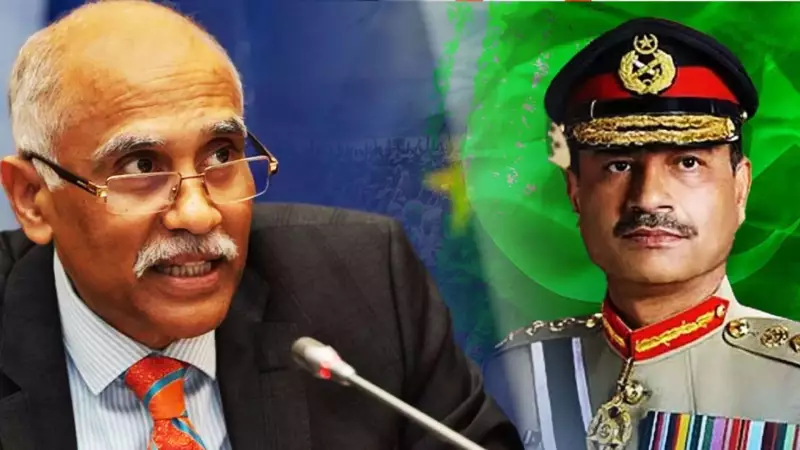
India's Permanent Representative to the United Nations, Parvathaneni Harish, delivered a pointed response during an open debate session, directly addressing Pakistan's recent constitutional changes. The Indian envoy emphasized that Pakistan must engage in serious introspection regarding how its armed forces engineered what amounts to a constitutional coup through the passage of the controversial 27th Amendment.
This constitutional amendment, according to India's statement, has effectively granted lifetime immunity to Pakistan's Chief of Defence Forces, creating a troubling precedent where a single military officer stands above the law. The unambiguous reference was to Field Marshal Asim Munir, whose expanded powers now extend across all branches of Pakistan's armed forces, consolidating unprecedented military authority.

Democratic Erosion Versus Military Consolidation
India's diplomatic communication made a crucial distinction between genuine democratic reform and the consolidation of unchecked military power. The Indian delegation stressed that granting lifetime immunity to military leadership represents not progress but regression, fundamentally undermining democratic principles and civilian oversight mechanisms that are essential for any functioning democracy.
The intervention gained particular significance as Pakistan attempted to raise Operation Sindoor during the UN proceedings. India countered what it described as a distorted narrative, providing necessary context about the military operation. New Delhi clarified that Operation Sindoor constituted a legitimate and proportionate response to the devastating Pahalgam terror attack, conducted with responsibility and restraint in accordance with international norms.
Broader Implications for Regional Stability
India's message carried weight beyond bilateral relations, highlighting concerns about constitutional manipulation masking democratic collapse. The statement underscored how such developments could potentially destabilize regional security architectures and undermine international efforts toward democratic governance globally.
The diplomatic exchange revealed deepening tensions between the neighboring nations, with India positioning itself as a defender of democratic norms against what it perceives as Pakistan's accelerating militarization. This confrontation at the United Nations represents another chapter in the longstanding geopolitical rivalry, now playing out on the world's most prominent multilateral stage.
India's blunt assessment concluded with a warning that constitutional manipulation cannot conceal democratic decay, sending a clear message about the importance of preserving institutional integrity and civilian control over military establishments in South Asia and beyond.