India Condemns Vandalism at Embassy in Croatia, Demands Accountability
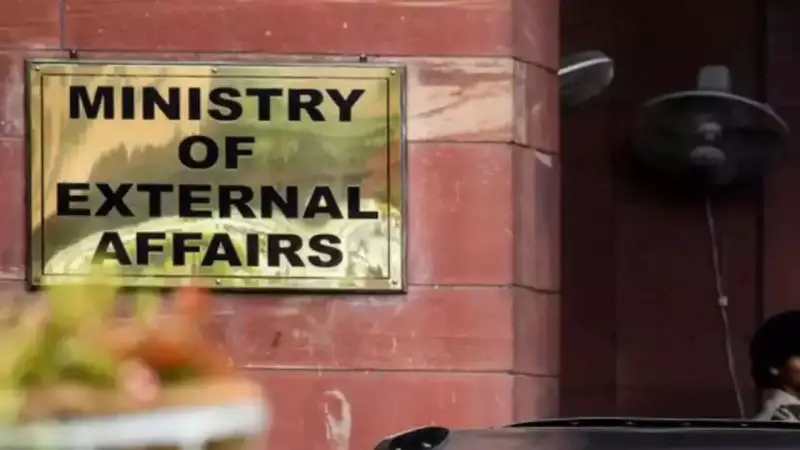
India has issued a strong condemnation following an incident of trespassing and vandalism at its embassy in Croatia's capital, Zagreb. The Ministry of External Affairs (MEA) stated on Thursday that it has taken up the matter forcefully with Croatian authorities, demanding accountability for those responsible.
Official Statement from Ministry of External Affairs
The MEA released an official statement declaring, "We condemn the incident of trespassing and vandalism at our Embassy in Zagreb, Croatia by anti-India elements." The ministry emphasized that diplomatic premises are inviolable under the Vienna Convention on Diplomatic Relations and must be protected by host nations.
Accordingly, India has raised the issue both in New Delhi and in Zagreb, urging Croatian authorities to hold the perpetrators accountable for what it described as "reprehensible and illegal actions." The ministry further noted that such acts reflect the character and motives of those behind them and called upon law enforcement agencies worldwide to take appropriate note.

Invoking the Vienna Convention
The Vienna Convention on Diplomatic Relations (VCDR), established in 1961, is an international treaty that defines the rules, privileges, and immunities for diplomatic missions and their personnel. Its primary purpose is to ensure that diplomatic staff can perform their duties without pressure or interference from host countries. India's reference to this convention underscores the seriousness with which it views the violation of its diplomatic premises.
Historical Context of Similar Incidents
This is not the first time Indian diplomatic missions have faced such challenges. In February of last year, a group of individuals trespassed at the Indian Consulate in Seattle, USA. According to consulate reports, the individuals entered the premises after office hours and, despite repeated requests, refused to leave. They reportedly engaged in aggressive and threatening behaviour towards consulate staff, prompting the consulate to seek assistance from local authorities.
The recurrence of such incidents highlights ongoing concerns about the security and sanctity of Indian diplomatic missions abroad. The MEA's firm response indicates a commitment to protecting its diplomatic assets and ensuring that host countries fulfill their obligations under international law.
Broader Implications for Diplomatic Relations
Incidents of this nature can have significant implications for bilateral relations. By invoking the Vienna Convention, India is reinforcing the principle that diplomatic premises are sacrosanct and must be safeguarded. The MEA's statement serves as a reminder to all nations about their responsibilities in protecting foreign missions within their territories.
The Indian government's prompt and decisive action in raising the matter with Croatian authorities demonstrates its resolve to address such violations swiftly. This approach aligns with global diplomatic norms and underscores India's stance on maintaining the integrity of its international missions.