India has issued a strong rebuttal to allegations from Bangladesh regarding the whereabouts of individuals linked to the killing of activist Sharif Osman Hadi. Simultaneously, the United States has condemned a separate incident involving the mob lynching of a Hindu man in Bangladesh as "horrific," bringing international attention to the rising unrest in the neighboring nation.
India's Firm Denial of Border Crossing Claims
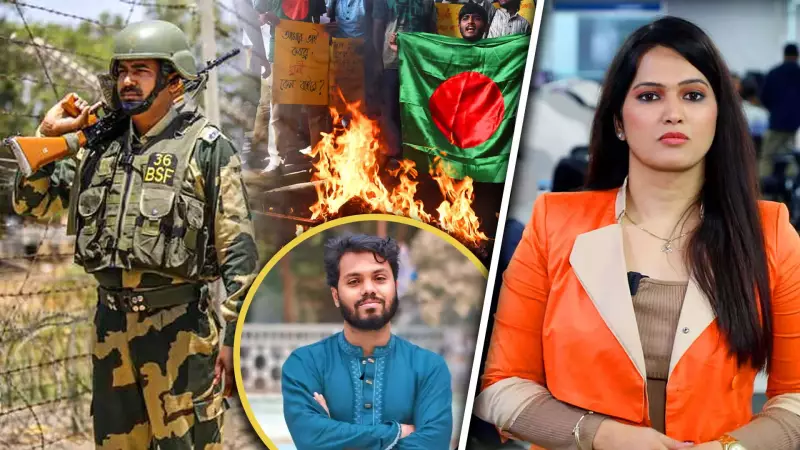
The Border Security Force (BSF) has categorically dismissed reports circulating in Bangladeshi media that the assailants responsible for activist Sharif Osman Hadi's death fled into Indian territory. In a statement, the BSF labeled these claims as fabricated and implausible. This pushback from Indian authorities comes amid heightened tensions and a wave of violence in Bangladesh, putting diplomatic relations under a microscope.
International Outcry Over Mob Violence and Lynching
The situation in Bangladesh has drawn sharp criticism from the global community, particularly concerning mob violence. A focal point of this condemnation is the recent lynching of a Hindu man over blasphemy allegations. The United States has been vocal in its response, with officials describing the killing as horrific. American lawmakers have also spoken out, denouncing such acts of religious bigotry and violence.

Echoing these concerns, India's Ministry of External Affairs has expressed deep trouble over what it describes as unrelenting hostility against minorities in Bangladesh. While highlighting this alarming trend, the ministry also reiterated India's consistent position of supporting peace, stability, and inclusive elections in its neighboring country.
Broader Context and Regional Implications
These developments occur against a backdrop of significant political and social unrest within Bangladesh. The dual issues—cross-border allegations and internal sectarian violence—present a complex challenge for regional diplomacy. India's firm denial seeks to address one aspect of the crisis, while its comments on minority safety align with broader international human rights perspectives. The explicit condemnation from the United States adds considerable weight to the calls for accountability and protection of vulnerable communities, ensuring the situation remains a point of international diplomatic engagement.
The coming days will be crucial in observing how Bangladesh addresses these internal and external pressures, and how bilateral dialogues between India, Bangladesh, and other concerned nations evolve to address security and minority rights concerns.