

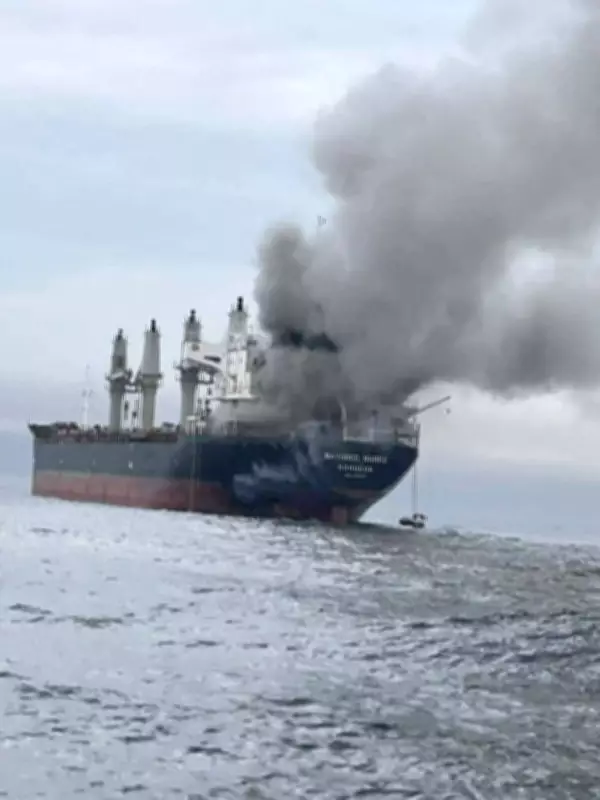
India Issues Strong Condemnation of Maritime Attacks, Highlights Global Trade Perils
India has delivered a forceful condemnation of attacks on commercial vessels and civilian maritime infrastructure, labeling such actions as "unacceptable" and warning of severe repercussions for global trade, energy security, and humanitarian supply chains. This statement was made during the 36th extraordinary session of the International Maritime Organization (IMO) Council in London, where India's High Commissioner to the UK, Vikram Doraiswami, emphasized the escalating dangers faced by seafarers amid the ongoing conflict in West Asia.
Growing Risks to Seafarers and Global Commerce
Doraiswami underscored that targeting commercial shipping and attacking civilian maritime infrastructure is intolerable, noting these incidents have already resulted in loss of lives, injuries, and increased insecurity for maritime personnel. He revealed that three Indian seafarers were among seven fatalities reported by the IMO Secretary-General, with four others injured and one still missing, highlighting the human toll of the conflict in critical shipping lanes.
As a leading supplier of seafarers globally, accounting for nearly 13% of the workforce, India expressed deep concern for the safety and welfare of maritime staff. The impact is substantial, with an estimated 23,000 Indian seafarers affected by the crisis. Currently, 24 Indian-flagged vessels are operating in the Persian Gulf region, including 22 west of the Strait of Hormuz with 611 crew members and two east of the Strait with 47 seafarers, all under close monitoring for security.

Strategic and Environmental Implications
India warned that any disruption in key maritime chokepoints like the Strait of Hormuz would have far-reaching consequences. Doraiswami stated, "India's energy, security, and trade are critically dependent on the safe and unimpeded passage through the Strait of Hormuz," cautioning that obstructions could impact not only India's economy but also global energy flows and humanitarian chains. Additionally, he flagged environmental risks, pointing to the "grave risk of marine pollution" from attacks on vessels in the region.
India's Response and International Coordination
In response, India has activated robust mechanisms, including a 24x7 helpline for seafarers of all nationalities, a quick response team by the Director General of Shipping, and a dedicated control room by the Ministry of External Affairs to assist affected crew and families. The country has also enhanced maritime monitoring and information-sharing frameworks, emphasizing the importance of strengthening global networks like the Information Fusion Centre-Indian Ocean Region.
Reiterating India's stance, Doraiswami stressed that freedom of navigation in international waters must be upheld per international law, with the safety of seafarers, security of shipping, and energy and humanitarian supply chains remaining paramount. The IMO Council echoed this, calling for a coordinated international approach to security and respect for navigational rights.






