India and Germany Forge Stronger Ties with 19 Key Agreements
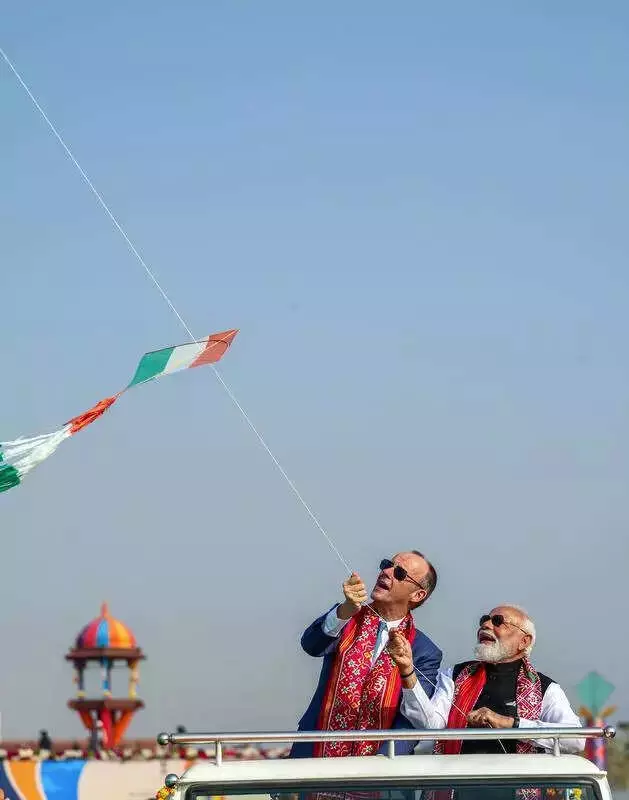
Prime Minister Narendra Modi hosted German Chancellor Friedrich Merz for high-level bilateral talks in Ahmedabad. The two leaders agreed to significantly enhance cooperation across multiple strategic areas. They formalized a total of 19 agreements during the meeting.
Defence and Security Take Center Stage
A joint declaration of intent on strengthening bilateral defence industrial cooperation emerged as a major highlight. PM Modi stated that both sides will develop a detailed roadmap to enhance collaboration between their defence industries. This move opens fresh opportunities for co-development and co-production of defence equipment.
"The growing cooperation in defence and security symbolizes our mutual trust and shared vision," PM Modi remarked. He expressed sincere gratitude to Chancellor Merz for simplifying processes related to defence trade between the two nations.

Critical and Emerging Technology Focus
The leaders inked four specific pacts to boost cooperation in critical and emerging technologies. These agreements cover vital sectors like semiconductors and critical minerals. PM Modi emphasized that India and Germany are working together to build secure, trusted, and resilient supply chains.
"The Memoranda of Understanding being signed today on all these areas will provide new momentum and strength to our cooperation," the Prime Minister affirmed.
Strong Condemnation of Terrorism
Both leaders unequivocally condemned terrorism in all its forms and manifestations. They specifically denounced cross-border terrorism as a serious threat to humanity. India and Germany pledged to continue their joint fight against this menace.
The joint statement condemned in the strongest terms the terrorist attack in Pahalgam on April 22, 2025, and the terror incident in Delhi on November 10, 2025. They called for concerted international efforts to combat terrorism comprehensively and sustainably.
Global and Regional Issues Discussed
PM Modi and Chancellor Merz discussed a wide range of global and regional matters during their talks. They expressed deep concern over the ongoing war in Ukraine, noting it continues to cause immense human suffering and negative global consequences.
Both leaders voiced support for efforts to achieve a comprehensive, just, and lasting peace in Ukraine. They emphasized this should be in accordance with international law and the principles of the United Nations Charter.
Regarding the Gaza situation, India and Germany backed a two-state solution. They underlined the urgent need for unhindered and at-scale delivery of humanitarian aid to the enclave. The statement also called for unimpeded access for humanitarian organizations operating in the region.
"They reaffirmed their readiness to support efforts towards just and durable peace," the joint statement noted. Both countries reiterated their call for a just, lasting, and comprehensive resolution of the conflict in West Asia through a negotiated two-state solution.
Eight Additional Cooperation Areas
Beyond the 19 formal agreements, the two nations made eight other significant announcements. These aim to ramp up cooperation in diverse areas ranging from people-to-people contacts to Indo-Pacific engagement and green development initiatives.
One notable announcement involves visa-free transit for Indian passport-holders through Germany. This measure is expected to facilitate easier travel and enhance people-to-people connections between the two countries.
Indo-Pacific and Global South Cooperation
PM Modi announced the launch of a new consultation mechanism to boost cooperation in the Indo-Pacific region. He stated that both sides will continue working together to support development in the Global South.
"The strength of our friendship is visible on the global stage," PM Modi observed. He highlighted their trilateral development partnership through joint projects in countries like Ghana, Cameroon, and Malawi as a successful model for the world.
Support for Economic Corridor
India and Germany reaffirmed their strong support for the India-Middle East-Europe Economic Corridor. They emphasized its transformational potential in reshaping and promoting global commerce, connectivity, and prosperity.

"In this context, they look forward to the first IMEC ministerial meeting to take concrete steps for advancing this initiative," the joint statement concluded.