India Sounds Alert for Nationals in Israel
India has issued a fresh safety advisory for its citizens currently in Israel. The government urges vigilance and advises against all non-essential travel to the country. This warning comes as violence escalates in Gaza, despite ongoing ceasefire negotiations.
Embassy Issues Safety Guidelines
The Embassy of India in Israel has called on all Indian nationals to remain extremely cautious. They must strictly follow safety guidelines issued by Israeli authorities and the Home Front Command. The advisory cites the "prevailing situation" in the region as the reason for these heightened precautions.
In case of any emergency, Indian citizens can contact the embassy's 24/7 helpline. The numbers are +972-54-7520711 and +972-54-3278392. They can also send an email to cons1.telaviv@mea.gov.in for assistance.

Gaza Strikes Intensify Despite Ceasefire Push
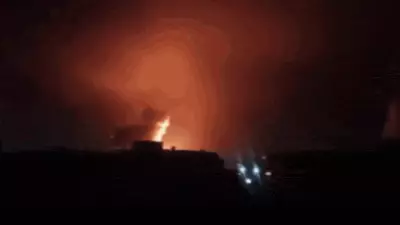
Israeli military operations have intensified across Gaza recently. On January 16, Israeli strikes killed at least ten Palestinians according to local reports. This violence highlights the continued volatility in the area, even as diplomats work towards the next phase of a ceasefire agreement.
Reporting from Gaza City indicates that a senior figure from the Qassam Brigades was killed in one strike. The Israeli military later confirmed this, identifying the individual as Muhammad al-Hawli, a commander in Hamas's armed wing. Analysts suggest this action signals Israel's intent to shape the ceasefire terms according to its own conditions.
Air Strikes Hit Central Gaza
Israel has stepped up air strikes across the Gaza enclave. The latest attacks concentrated on the central city of Deir el-Balah. Local sources report at least six Palestinians killed in these strikes, with many more wounded.
These renewed attacks have fueled panic among residents. Many people had hoped the second phase of the ceasefire would bring increased humanitarian aid and the reopening of border crossings. Instead, residents report drones hovering at low altitude, spreading fear among already traumatized communities.
For hundreds of thousands of displaced Palestinians, the humanitarian situation remains bleak. The latest violence casts serious doubt on any immediate easing of conditions on the ground.
Details of Ceasefire Phase Two
On Wednesday, US special envoy Steve Witkoff announced the launch of phase two of President Donald Trump's 20-point plan. This phase shifts the focus "from ceasefire to demilitarization, technocratic governance and reconstruction."
Hamas leaders and representatives of other Palestinian factions are currently in Cairo for talks focused on this second phase. Witkoff explained the plan envisages the disarmament of "unauthorized personnel" and the deployment of an international stabilization force. This force would secure Gaza and train Palestinian police.
A new technocratic body called the National Committee for the Administration of Gaza has been established. It will manage day-to-day governance in the region. Former Palestinian Authority official Ali Shaath has been appointed to lead this committee, which is meeting in Egypt ahead of its proposed entry into Gaza.
Phase one of the framework mandated a halt in fighting, a freeze in frontlines, and the exchange of Israeli captives and Palestinian prisoners. However, major uncertainties remain over the second phase. These include funding for Gaza's reconstruction, the extent and timing of Israeli military withdrawal, and the scale of humanitarian access.
Regional Uncertainty Drives Travel Warning
Against this backdrop of continued military action and unresolved diplomatic questions, Indian authorities have cautioned citizens against unnecessary travel to Israel. This advisory signals concern that the security situation could deteriorate further, even as negotiations proceed.
The warning reflects growing unease among governments worldwide. Many nations worry about the fragile nature of the ceasefire and the risks posed by renewed escalation on the ground. India's proactive advisory aims to ensure the safety of its nationals during this uncertain period.