

India Confirms Participation in UK-Led Strait of Hormuz Security Talks
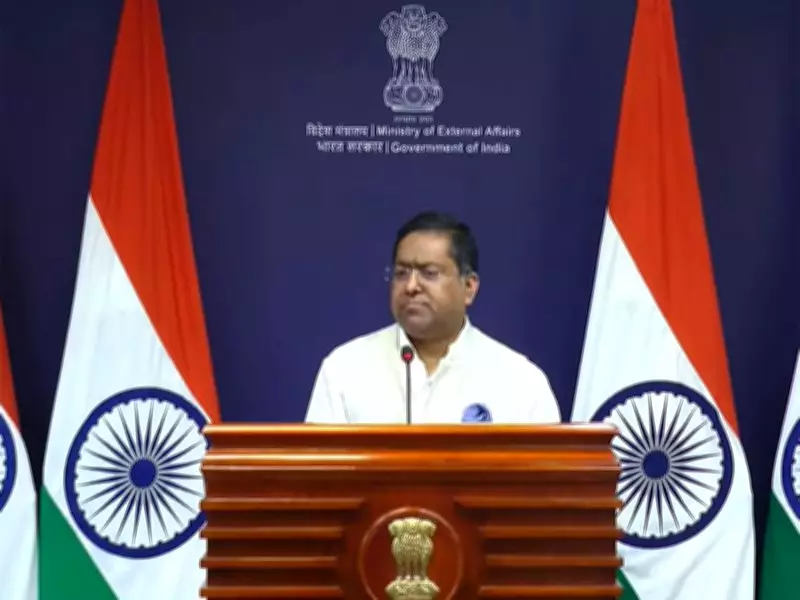
In a significant diplomatic move, India has announced its participation in United Kingdom-led talks focused on the Strait of Hormuz, a critical maritime chokepoint in the Middle East. The Ministry of External Affairs (MEA) confirmed India's attendance, underscoring the nation's commitment to enhancing maritime security and ensuring the free flow of navigation through this vital waterway.
Strategic Importance of the Strait of Hormuz
The Strait of Hormuz is one of the world's most strategically important maritime passages, connecting the Persian Gulf with the Gulf of Oman and the Arabian Sea. It serves as a primary route for global oil shipments, with approximately one-fifth of the world's petroleum passing through it daily. This makes its security paramount for international trade and energy stability, particularly for energy-importing nations like India.
India's involvement in these talks highlights its growing role in regional security dynamics and its proactive approach to safeguarding maritime interests. The MEA emphasized that India prioritizes the principles of freedom of navigation and overflight, as well as the peaceful resolution of disputes, in line with international law, including the United Nations Convention on the Law of the Sea (UNCLOS).

Details of the UK-Led Discussions
The UK-led talks aim to address security challenges in the Strait of Hormuz, which has witnessed heightened tensions in recent years due to incidents such as attacks on oil tankers and geopolitical rivalries. Key objectives of the discussions include:
- Enhancing coordination among participating nations to prevent maritime threats.
- Promoting stability and de-escalation in the region through diplomatic engagement.
- Developing mechanisms for information-sharing and joint patrols to ensure safe passage for commercial vessels.
India's participation is expected to bring valuable insights from its experience in maritime security operations, including its efforts in the Indian Ocean Region. This aligns with India's broader strategy of strengthening partnerships with like-minded countries to address common security concerns.
India's Maritime Security Priorities
India has consistently emphasized the importance of maritime security as part of its foreign policy and national security framework. The country's attendance at these talks reflects its dedication to:
- Protecting sea lanes of communication that are crucial for its energy imports and trade.
- Contributing to regional stability in the Middle East, where it has significant economic and diaspora interests.
- Collaborating with international partners to combat piracy, terrorism, and other maritime threats.
The MEA stated that India will actively engage in the discussions to advocate for inclusive and cooperative security measures. This move is seen as a step towards bolstering India's position as a responsible maritime stakeholder on the global stage.
As tensions in the Strait of Hormuz continue to pose risks to global energy supplies, India's involvement in these talks underscores its commitment to a rules-based maritime order and its readiness to work with allies to ensure peace and security in strategic waterways.






