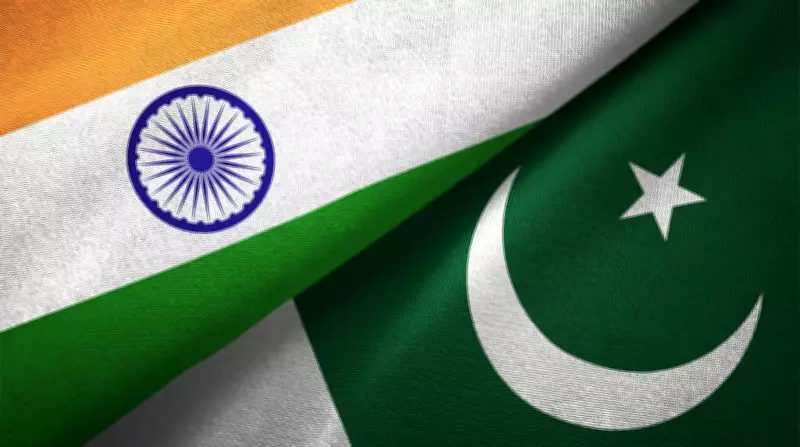
In a surprising turn of events, India has been quietly mending fences with China, a development that analysts say could signal a broader recalibration of New Delhi's foreign policy. The thaw, marked by high-level meetings and de-escalation of border tensions, has sparked speculation about whether Pakistan might be next in line for a diplomatic rapprochement.
Behind the Scenes Diplomacy
Recent months have witnessed a series of behind-the-scenes engagements between Indian and Chinese officials. These include the virtual summit between Prime Minister Narendra Modi and President Xi Jinping in November 2024, followed by the resumption of military talks to resolve the lingering border dispute in eastern Ladakh. The discussions have led to a partial disengagement of troops from certain friction points, reducing the risk of conflict.
Observers note that the shift is driven by mutual economic interests. China remains India's largest trading partner, with bilateral trade exceeding $100 billion annually. Both nations are also keen to stabilize the region ahead of the upcoming G20 and BRICS summits, where they seek to present a united front on global issues.

Impact on South Asia
The improved ties have immediate implications for South Asia. A conciliatory stance toward Beijing could embolden India to adopt a more pragmatic approach with Islamabad. Pakistan, which has traditionally relied on China for strategic support, may find itself in a complex triangular dynamic. If India and China can manage their differences, the pressure on Pakistan to engage constructively with India could increase.
However, experts caution that a full-fledged rapprochement with Pakistan remains unlikely in the near term. The Kashmir issue and cross-border terrorism continue to be major stumbling blocks. India's foreign policy has consistently linked dialogue with Pakistan to an end to terror activities, a condition Islamabad has been reluctant to meet.
Strategic Calculus
India's outreach to China also reflects a broader strategic calculus. The United States, while a key partner, has shown unpredictability under the Trump administration, prompting New Delhi to diversify its diplomatic portfolio. Engaging China helps India hedge against over-reliance on Washington while maintaining its strategic autonomy.
Moreover, both India and China share concerns over instability in Afghanistan and the rise of extremist groups in the region. Cooperation in these areas could provide a foundation for broader bilateral trust.
Domestic Reactions
At home, the government faces scrutiny from opposition parties and nationalist groups that view any concession to China as a betrayal of national interests. The ruling Bharatiya Janata Party (BJP) has traditionally taken a hardline stance on border issues, making the current thaw politically sensitive.
Nevertheless, the government appears to be banking on economic dividends and reduced military expenditure to sell the rapprochement to the public. Improved relations could also open up Chinese investment in India's infrastructure and manufacturing sectors, boosting growth.
What Lies Ahead?
While the India-China rapprochement is still in its early stages, it has already begun to reshape regional dynamics. The big question remains whether Pakistan will be the next beneficiary of India's diplomatic outreach. For now, the answer seems to be a cautious no, but the evolving situation warrants close observation.
As India navigates its complex relationships with its two nuclear-armed neighbors, the world watches to see if the land of Gandhi can transform old rivalries into new partnerships. The path ahead is fraught with challenges, but the recent moves suggest that New Delhi is willing to explore uncharted diplomatic territory.