Former diplomat Sharat Sabharwal argues that a backchannel between New Delhi and Islamabad to stabilise relations may be more realistic at this juncture than a full-fledged peace process. In an article published on 10 July 2026, he suggests that incremental steps through informal talks could help manage tensions and build trust.
The Current Stalemate
India and Pakistan have been locked in a cycle of hostility, with official dialogue suspended since 2019. The two nuclear-armed neighbours have seen periodic crises, including cross-border terrorism and military standoffs. Sabharwal notes that the dogma of 'no dialogue' has prevented any meaningful engagement, leaving relations at a low point.
Why a Backchannel Makes Sense
According to Sabharwal, a backchannel allows for discreet communication without the political baggage of formal talks. It can explore areas of mutual interest, such as trade, water sharing, and counter-terrorism, without requiring immediate breakthroughs. He cites examples of successful backchannels in other conflicts, including the US-China rapprochement in the 1970s.

Challenges and Opportunities
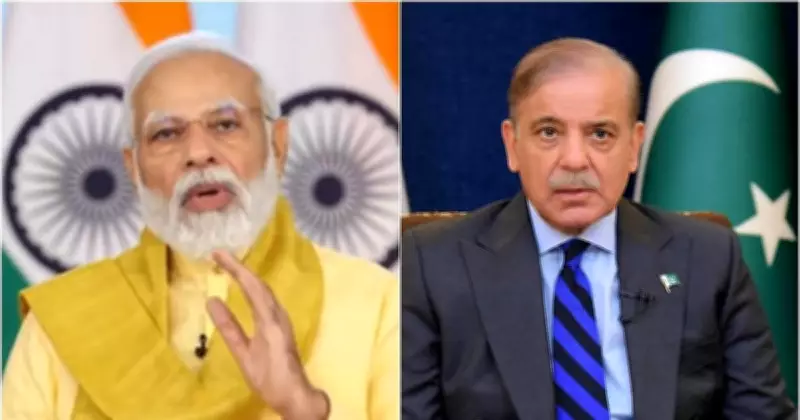
The biggest obstacle remains the trust deficit, exacerbated by terrorist groups operating from Pakistani soil. However, Sabharwal believes that both Prime Ministers Narendra Modi and Shehbaz Sharif have the political capital to pursue a backchannel. He stresses that the goal is not a grand peace deal but stabilisation—reducing the risk of escalation and creating conditions for eventual dialogue.
Sabharwal concludes that a backchannel is a pragmatic first step. It avoids the pitfalls of public negotiations while allowing both sides to test the waters. If successful, it could pave the way for a more comprehensive engagement in the future.