

India-Pakistan Diplomatic Tensions Reach New Heights Over Security Warnings
A fresh diplomatic confrontation has erupted between India and Pakistan, with Defence Minister Rajnath Singh issuing a stern warning of "decisive action" against any cross-border provocations, which has been met with an immediate and forceful response from Pakistan's leadership. This exchange underscores the increasingly volatile security dynamics in the region, where rhetoric is escalating rapidly.
Rajnath Singh's Unprecedented Warning and Pakistan's Counter
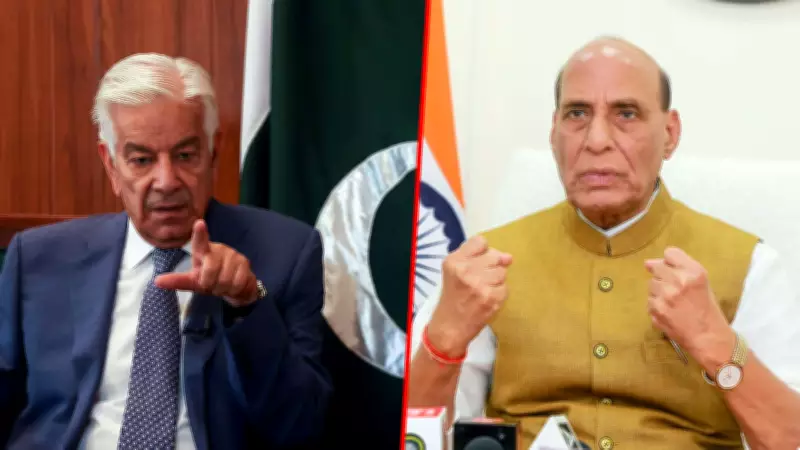
In a significant statement, Indian Defence Minister Rajnath Singh emphasized that India would take "unprecedented action" in response to any threats emanating from across the border. This warning reflects India's strategic posture of maintaining strong deterrence and ensuring a swift, decisive response to potential security challenges. Singh's remarks are seen as a clear message to Pakistan regarding India's readiness to protect its territorial integrity and national interests.
Pakistan's Defence Minister Khawaja Asif quickly countered this warning, stating that "miscalculation has consequences" and signaling Islamabad's preparedness to respond to any aggressive moves. This swift exchange highlights the deep-seated tensions between the two nuclear-armed neighbors, with both sides demonstrating a heightened state of alert and readiness.

Underlying Regional Dynamics and Strategic Posturing
The current war of words is not merely rhetorical but points to a deeper shift in regional security dynamics. India's strategy is firmly rooted in:
- Robust deterrence capabilities to prevent cross-border incursions
- Rapid response mechanisms to address any provocation immediately
- Learning from recent conflict experiences where escalation occurred quickly but remained contained
Pakistan's response indicates a similar strategic calculation, with Islamabad emphasizing its ability to counter any perceived threats. This mutual posturing raises the stakes significantly, creating an environment where every diplomatic statement carries substantial weight.
The Fragile Balance and Risk of Escalation
While neither nation is openly seeking direct conflict, both are actively preparing for potential confrontations. This preparation creates a particularly tense situation where:
- The balance of power appears more fragile than in previous years
- Diplomatic communications are being interpreted through a security-focused lens
- There is limited room for miscalculation or misinterpretation
The current rhetoric suggests that the threshold for escalation may be lower than in the past, with both sides demonstrating less tolerance for perceived provocations. This environment increases the risk that a single incident or misinterpreted statement could trigger a larger crisis.
Looking Ahead: Prevention or Provocation?
The critical question now is whether these warnings will serve as effective deterrents that prevent escalation, or whether they might inadvertently increase the likelihood of a miscalculation that could spiral into a more serious confrontation. Both nations appear to be walking a diplomatic tightrope, where demonstrating strength must be balanced against avoiding unintended consequences.
Regional observers note that while both countries have experienced limited conflicts in recent years, the current political climate and strategic positioning suggest that any future confrontation might not follow the same contained pattern. The international community will be closely monitoring these developments, recognizing that India-Pakistan tensions have implications far beyond their bilateral relationship.






