

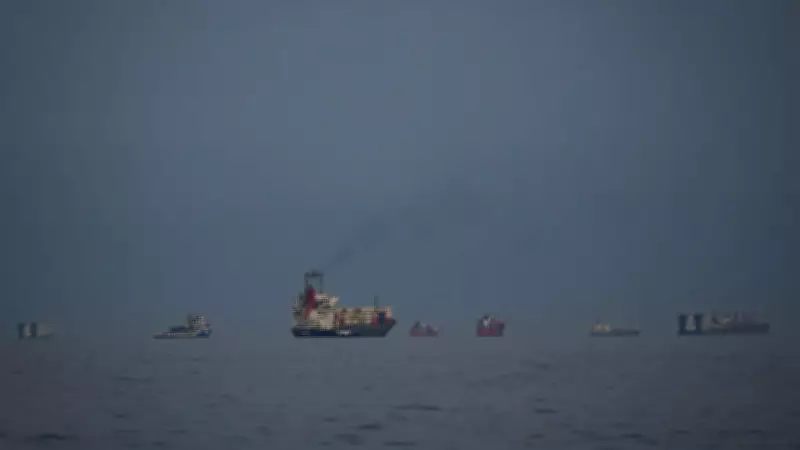
India Coordinates Naval Escorts for Stranded Ships in Strait of Hormuz
In a significant move to ensure maritime safety amid escalating regional tensions, India's Directorate General of Shipping (DG Shipping) has submitted a detailed plan to the Cabinet Secretariat. The plan focuses on enabling naval escorts and other protective measures for the safe exit of 22 Indian and India-bound foreign ships currently stranded in the volatile Strait of Hormuz.
Critical Vessels Identified for Evacuation
The DG Shipping report specifies that out of the 22 vessels earmarked for evacuation, 20 are energy-critical ships, highlighting the strategic importance of this operation. Additionally, two Indian-flagged container vessels have been identified to ensure their secure passage through the strait. While the report does not detail the exact naval escort arrangements, it confirms that coordination is actively ongoing to finalize these protective measures.
Indian Navy's Role and Ongoing Operations
This development follows a recent meeting where the Indian National Shipowners' Association formally requested assistance from the Indian Navy for the safe passage of Indian-flagged vessels. In response, the Indian Navy has already deployed warships in the Gulf region as part of Operation Sankalp, maintaining a constant vigil on India-bound cargo vessels in the area.

Recent successes under this operation include the safe movement of three oil and LPG tankers from the Strait of Hormuz towards India, all under the close watch of Navy ships. Currently, Indian Navy warships are maintaining a presence near the strait to monitor the situation and provide support as needed.
Diplomatic Efforts for Safe Passage
It has been reported that the Indian government is engaged in direct talks with the Iranian government to facilitate the safe passage of the 22 stranded cargo vessels. This diplomatic engagement underscores the urgency and complexity of the situation, given the broader context of regional conflicts, including tensions involving Israel, Iran, and the US.
The Strait of Hormuz is a critical chokepoint for global energy shipments, and disruptions here can have far-reaching impacts on international trade and energy security. India's proactive measures aim to mitigate risks and ensure the uninterrupted flow of essential goods, particularly energy resources, to the country.






