

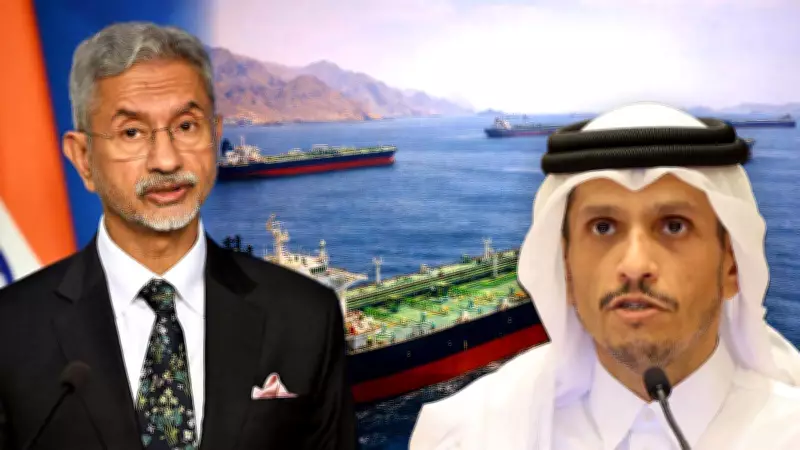
India Intensifies Diplomatic Outreach as Gulf Crisis Deepens
India's diplomatic machinery is operating at maximum capacity as tensions escalate in the Gulf region. External Affairs Minister Dr. S Jaishankar's recent high-level conversation with Qatar's Prime Minister represents a critical component of New Delhi's comprehensive strategy—maintaining active engagement, preserving balanced positions, and staying ahead of emerging challenges.
Strategic Conversations for Regional Stability
With vital shipping routes increasingly threatened and global energy flows at significant risk, India is prioritizing maritime navigation safety and economic stability through proactive diplomatic channels. The Gulf region represents far more than a distant conflict zone for India—it serves as an essential lifeline for the nation's substantial energy requirements, making every diplomatic exchange profoundly consequential.
From Tehran to Doha, India is systematically keeping communication channels open while consistently advocating for restraint among all regional actors. The clear warnings emerging from these discussions emphasize that targeting critical infrastructure could potentially trigger broader regional instability with global repercussions.

India's Balanced Approach in Rising Global Tensions
At this critical juncture of escalating international tensions, India is deliberately avoiding alignment with specific factions while steadfastly choosing stability as its guiding principle. This measured approach demonstrates India's evolving role as a responsible global stakeholder, working diligently behind the scenes to prevent conflicts from spiraling uncontrollably.
The country's diplomatic efforts extend beyond immediate crisis management to encompass long-term strategic objectives. By maintaining dialogue with multiple regional powers simultaneously, India positions itself as both a stabilizing influence and a reliable partner in complex geopolitical landscapes.
Economic Imperatives Driving Diplomatic Engagement
India's heightened diplomatic activity directly correlates with substantial economic imperatives. The nation imports approximately 85% of its crude oil requirements, with a significant portion originating from Gulf nations. Any disruption to these energy supplies could severely impact India's economic growth trajectory and energy security framework.
Furthermore, the safety of Indian expatriate communities throughout the Gulf region remains a paramount concern for New Delhi's diplomatic missions. Approximately 9 million Indian citizens reside and work across Gulf Cooperation Council countries, contributing substantially to both regional economies and India's remittance inflows.
Multidimensional Diplomatic Strategy
India's current diplomatic offensive incorporates multiple dimensions:
- Bilateral engagements with key regional players including Qatar, Iran, Saudi Arabia, and the United Arab Emirates
- Multilateral participation through forums like the United Nations Security Council and regional organizations
- Economic diplomacy focused on securing energy supplies and protecting trade routes
- Humanitarian coordination to ensure the safety and welfare of Indian nationals abroad
This comprehensive approach reflects India's growing confidence in navigating complex international crises while protecting its national interests. The diplomatic exchanges serve not only as crisis management tools but also as opportunities to strengthen long-term strategic partnerships in a volatile region.
As global powers recalibrate their Middle East policies amid shifting alliances, India's consistent, principled diplomacy offers a stabilizing alternative to polarized positions. The country's ability to maintain constructive relationships across geopolitical divides positions it uniquely to facilitate dialogue and de-escalation when opportunities arise.






