In a significant development concerning a long-standing territorial dispute, China has recently reaffirmed its claims over the strategically important Shaksgam Valley. This move comes in direct response to India's consistent objections regarding the area's status.
The Core of the Dispute: The 1963 Agreement
The heart of this controversy lies in an event from 1963. Pakistan, which was in illegal occupation of the territory, ceded approximately 5,180 square kilometers of Indian land in the Shaksgam Valley to China. This transaction, formalized through a boundary agreement between Pakistan and China, has never been recognized by the Government of India. New Delhi maintains that Islamabad had no legal right to hand over territory that did not belong to it.
India's Firm and Unwavering Stance
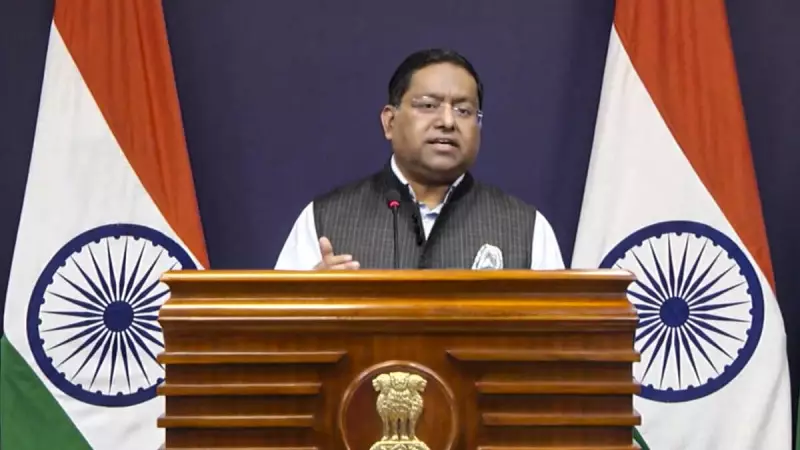
India's position, as articulated by its Ministry of External Affairs (MEA), has been clear and consistent. Officials have repeatedly stated that Pakistan's 1963 cession of the Shaksgam Valley is illegal and invalid. India asserts its sovereign rights over the entire territory of the union territory of Ladakh, which includes the Shaksgam Valley. The government has made it clear that it will continue to take all necessary steps to safeguard its territorial integrity.

Implications and Regional Tensions
China's latest reaffirmation of its claim, reported on 12 January 2026, adds another layer of complexity to the already tense border dynamics in the region. The Shaksgam Valley is part of the larger Kashmir region and sits near the Siachen Glacier, making it a strategically sensitive zone. This development is likely to further complicate diplomatic efforts and could impact the fragile stability along the Line of Actual Control (LAC) between India and China.
The dispute underscores a critical geopolitical fault line. India's firm rejection of the 1963 pact is based on the principle that one country cannot unilaterally give away another country's land. As both China and India continue to build infrastructure and bolster their military presence in the Himalayan region, such territorial assertions keep the potential for friction alive.
Analysts suggest that this issue will remain a persistent point of contention in trilateral relations between India, China, and Pakistan. It reinforces the need for sustained diplomatic dialogue and confidence-building measures to prevent any escalation in this volatile and strategically crucial part of the world.