India Coordinates Return of Stranded Ships in Hormuz, Evacuates 7,500 Nationals from Iran
In the wake of the recent ceasefire in West Asia, India has launched a comprehensive effort to address the humanitarian and logistical challenges arising from the conflict. The Ministry of External Affairs (MEA) has welcomed the ceasefire, emphasizing the critical need for de-escalation and diplomatic dialogue to resolve the ongoing crisis.
MEA Stresses Importance of Dialogue and Navigation Freedom
MEA spokesperson Randhir Jaiswal highlighted that the conflict has resulted in immense human suffering and significant disruptions to global energy supplies and trade flows. He underscored the urgency of maintaining freedom of navigation through the strategically vital Strait of Hormuz, a key chokepoint for international maritime traffic.
Jaiswal stated, "The ceasefire is a positive step, but sustained de-escalation and diplomacy are essential to bring lasting peace. We must ensure that vital sea lanes remain open to support global trade and energy security."

Evacuation Efforts for Indians in Iran
Approximately 7,500 Indian nationals remain in Iran, and evacuation operations are currently underway. The Indian government is coordinating closely with its missions in Iran to facilitate the safe return of these citizens, prioritizing their well-being amid the unstable regional conditions.
The evacuation plan includes:
- Continuous assessment of the security situation in Iran.
- Provision of necessary consular assistance and support.
- Arrangement of safe passage and transportation for evacuees.
Rescue of Stranded Indian-Flagged Vessels
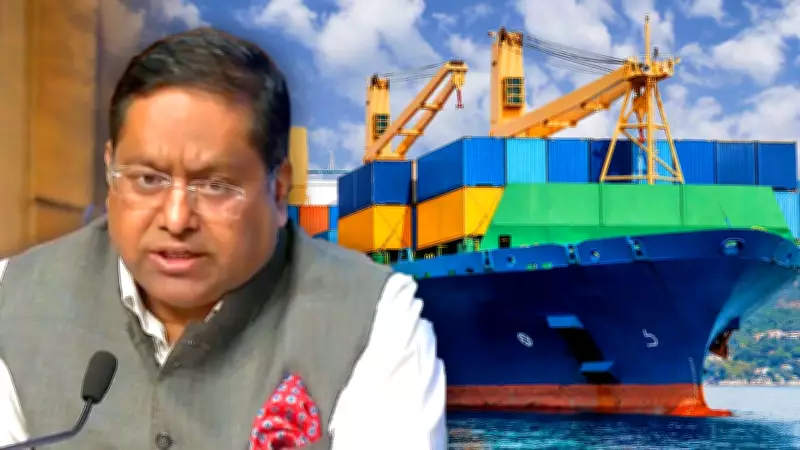
Simultaneously, India is working to retrieve stranded Indian-flagged ships from the Persian Gulf region. Mukesh Mangal, Additional Secretary at the Ministry of Ports, Shipping, and Waterways, revealed that the government is collaborating with the MEA, Indian missions abroad, and shipowners to expedite the return of these vessels.
Mangal explained, "Our primary focus is to bring back the stranded ships and resume cargo operations as swiftly as possible. This will help minimize disruptions to trade and ensure the stability of global supply chains."
The coordinated efforts involve:
- Real-time monitoring of maritime conditions in the Persian Gulf.
- Negotiations with relevant authorities to secure safe passage for the vessels.
- Implementation of contingency plans to handle any logistical hurdles.
Broader Implications for Global Trade
The crisis in West Asia has underscored the fragility of international trade routes, particularly those dependent on the Strait of Hormuz. India's proactive measures aim to safeguard its economic interests and contribute to regional stability. By ensuring the prompt return of ships and the safe evacuation of citizens, India is demonstrating its commitment to protecting its nationals and supporting global commerce.
As the situation evolves, the Indian government remains vigilant, ready to adapt its strategies to address emerging challenges and uphold its responsibilities on the international stage.