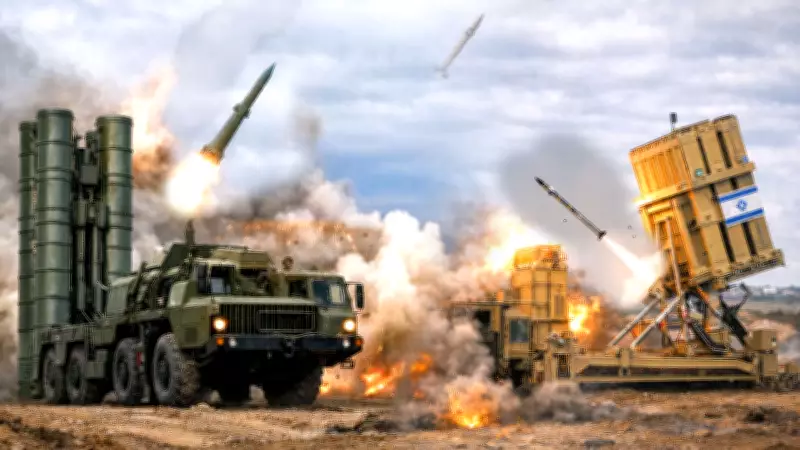
India's Defense Ministry Finalizes Proposal to Double S-400 Air Defense Fleet
The Ministry of Defence in India is currently in the advanced stages of finalizing a significant proposal to procure five additional squadrons of the S-400 Triumf air defense system from Russia. This ambitious deal would effectively double India's existing Sudarshan Chakra fleet, solidifying the Russian-origin system as the foundational pillar of New Delhi's air defense architecture for the foreseeable future. The decision underscores a strategic commitment to enhancing national security through advanced military technology.
Combat Success and Operational Deployment
The move to expand the S-400 fleet follows its dramatic and highly successful combat debut during Operation Sindoor in May 2025. During this critical operation, Pakistani drones and cruise missiles targeting military bases across northern and western India were intercepted without a single breach, demonstrating the system's formidable capabilities. Indian Air Force Chief Air Chief Marshal AP Singh has repeatedly hailed the S-400 as a "game-changer," confirming that it engaged and destroyed high-value targets at distances exceeding 300 kilometers. Currently, three of the originally contracted five squadrons are already operational along India's western and northern frontiers, providing robust defense coverage.
Strategic Context and Comparisons with Israel's Iron Dome
The success of Operation Sindoor prompted India to announce Mission Sudarshan Chakra on Independence Day 2025, a comprehensive air defense program that has drawn comparisons to Israel's renowned Iron Dome system. However, it is crucial to understand the fundamental differences between these two systems. Prime Minister Modi's visit to Tel Aviv in February 2025 sparked speculation about a potential Iron Dome deal, but defense experts emphasize that the S-400 and Iron Dome serve distinct purposes.

Iron Dome is a tactical, urban-protection tool specifically designed to intercept short-range rockets and artillery shells, providing defense for populated areas. In contrast, the S-400 is a strategic air defense system capable of engaging and neutralizing aircraft, drones, and cruise missiles at long ranges, holding potential threats at arm's length across vast distances. This distinction highlights India's focus on broad-area defense rather than localized protection.
Addressing Two-Front Threats and Enhancing National Security
The proposed procurement of five new S-400 squadrons is strategically aimed at addressing India's two-front threat scenario from both Pakistan and China. If approved, these additional units will provide comprehensive coverage along critical areas:
- The western border with Pakistan
- The Line of Actual Control with China
- The strategically vital Siliguri Corridor
Defense planners describe this expansion as creating a nearly seamless kinetic and electronic shield across India's most vulnerable axes, significantly bolstering the nation's defensive posture. This enhancement is expected to deter potential aggressors and provide a robust response capability in the event of conflicts.
Future Implications and Strategic Partnerships
The decision to double the S-400 fleet not only reinforces India's defense capabilities but also strengthens its strategic partnership with Russia. This move comes amid global geopolitical shifts and underscores India's commitment to maintaining a diversified defense procurement strategy. As regional tensions persist, the expanded S-400 network will play a pivotal role in safeguarding India's airspace and ensuring national security in an increasingly complex security environment.