India's Aviation Regulator Implements Strict Safety Overhaul for Charter Operators
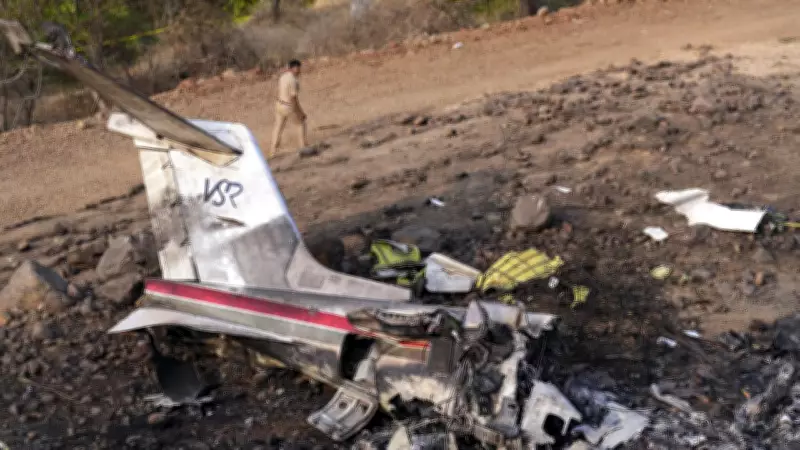
In a decisive response to two catastrophic crashes involving small charter aircraft within a single month that claimed 12 lives, India's Directorate General of Civil Aviation (DGCA) is launching a comprehensive safety crackdown. The regulator announced plans to rank non-scheduled operator permit (NSOP) holders—encompassing charter and private jet companies—based on their safety performance. This ranking system will be publicly accessible on the DGCA's official website, providing transparency for potential clients.
Mandatory Safety Disclosure and Stricter Penalties
Under the new directives, all NSOP operators will be legally required to publish critical safety information on their corporate websites. This mandatory disclosure must include detailed data on aircraft age, comprehensive maintenance histories, and the professional experience levels of pilots. The objective is to ensure that individuals and organizations chartering aircraft are fully informed about the operational standards and safety credentials of the service providers they engage.
Concurrently, the DGCA is instituting significantly harsher penalties for regulatory violations. Pilots found breaching flight duty time limitations (FDTL) or attempting landings below established safety minima now face potential license suspensions extending up to five years. For operators failing to meet compliance standards, the consequence will be the suspension of their operating licenses, effectively halting their business.

Addressing Systemic Safety Failures
The regulatory action follows an urgent meeting convened by the DGCA with all NSOP operators to address a recent surge in aviation incidents. During this summit, key systemic failures were identified as primary causes of accidents: non-adherence to standard operating procedures (SOPs), inadequate flight planning, and significant training deficiencies among personnel.
An industry insider highlighted the core issues, stating, "Maximum problems in NSOP operations revolve around substandard aircraft maintenance and poor judgment by operations teams." To rectify this, charter companies that conduct their own maintenance but fail to meet prescribed standards will now be compelled to outsource these critical functions to recognized Maintenance, Repair, and Overhaul (MRO) facilities approved by the regulator.
Zero-Tolerance Policy and Enhanced Oversight
In the aftermath of the meeting, the DGCA issued a suite of new measures enforcing a zero-tolerance policy toward safety compromises within the charter sector. The cornerstone of this policy is the unequivocal directive that safety must always take precedence over commercial interests, VIP movements, or charter commitments. The regulator has reaffirmed that a pilot-in-command's decision to divert, delay, or cancel a flight for safety reasons is final and must be respected by operators without any commercial repercussions.
The enhanced oversight framework includes:
- Increased random audits of cockpit voice recorders (CVR).
- Rigorous cross-verification of fuel records and technical logs to detect unauthorized operations or data falsification.
- Personal accountability for senior leadership and accountable managers for systemic non-compliances, moving beyond blaming individual pilots.
- Intensified monitoring of older aircraft and those undergoing ownership changes.
- Mandatory audits for NSOPs operating their own MRO facilities, with outsourcing required for those found inadequate.
Focus on Weather Preparedness and Operational Discipline
The regulator's analysis revealed that weather-related accidents are frequently attributable to poor judgment rather than unpredictable weather conditions. Consequently, operators are now mandated to establish real-time weather update systems and ensure strict compliance with established SOPs. Furthermore, recurrent pilot training programs must place greater emphasis on weather awareness strategies and decision-making in uncontrolled or challenging environments.

To address systemic weaknesses and enforce operational discipline, the DGCA is implementing several immediate corrective measures. A senior official present at the meeting delivered an unambiguous ultimatum to the industry: "The message is clear to NSOP operators: Either operate with 100% compliance of all norms or surrender your licence and go home. They have to fall in line or be out of business." This stern stance underscores the regulator's commitment to eliminating safety lapses and restoring public confidence in India's charter aviation sector.