

India and United States Ramp Up Strategic Defense Coordination Amid Global Uncertainty
India and the United States are significantly intensifying their strategic defense dialogue as global instability continues to rise. This heightened coordination comes at a pivotal moment, with the ongoing crisis in West Asia posing severe threats to international energy flows and economic stability worldwide.
Elbridge Colby's Critical Visit to New Delhi
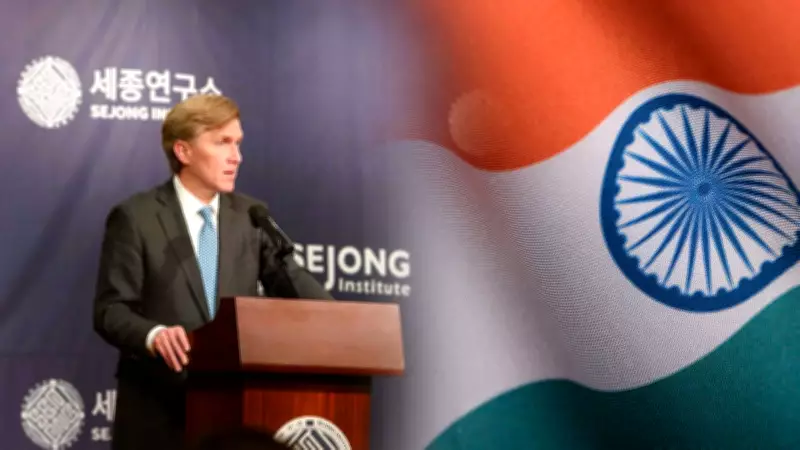
The visit of Elbridge Colby, a prominent American strategist, to New Delhi underscores the urgency of the situation. His arrival coincides with escalating tensions in West Asia, a region crucial for global oil supplies. The discussions are expected to focus on collaborative strategies to mitigate risks associated with energy security and geopolitical shifts.
Jaishankar-Rubio Call Highlights Urgent Concerns
Parallel to Colby's visit, External Affairs Minister S. Jaishankar engaged in a critical telephone conversation with U.S. Senator Marco Rubio. Their dialogue centered on the immediate disruptions to oil supplies and the broader implications for global trade. For India, these issues are of paramount importance, as a substantial portion of its key imports, including oil, traverse the volatile Strait of Hormuz.

Growing Defense Ties and India's Balancing Act
This series of high-level engagements reflects the deepening defense ties under the established India-US partnership framework. However, it also highlights India's nuanced and careful balancing act in global geopolitics. As conflicts around the world reshape international alliances, New Delhi and Washington are demonstrating a concerted effort to work together while adeptly navigating complex and often contradictory realities.
The strategic talks emphasize a shared commitment to addressing mutual security concerns, particularly those stemming from the West Asia crisis. Both nations are keenly aware that any significant disruption in the region could have cascading effects on their economies and strategic interests.
This proactive engagement signals a robust and evolving partnership, poised to tackle emerging challenges through coordinated defense and diplomatic initiatives. The outcomes of these discussions are likely to influence not only bilateral relations but also the broader geopolitical landscape in the coming months.






