

India Officially Welcomes Temporary Ceasefire in West Asia, Calls for Lasting Peace
In an official statement, the Indian government has welcomed the temporary ceasefire brokered by Pakistan in the West Asia region, following six weeks of intense and brutal conflict. The Ministry of External Affairs (MEA) expressed hope that this truce will pave the way for a durable and sustainable peace in the volatile area, which has been marred by violence and instability.
Focus on De-escalation and Diplomatic Solutions
Stressing the immense human suffering and severe disruptions to global energy supplies and trade networks caused by the conflict, India reiterated its longstanding position. The government emphasized that unimpeded freedom of navigation and the smooth global flow of commerce must be maintained through the critical Strait of Hormuz, a vital chokepoint for international oil shipments.
"As we have continuously advocated earlier, de-escalation, dialogue and diplomacy are essential to bring an early end to the ongoing conflict," stated the MEA in a carefully crafted declaration. This statement was notably focused more on the desired peaceful outcome rather than the specific means or intermediaries involved in achieving the ceasefire.

Hope for Broader Peace Efforts and Regional Priorities
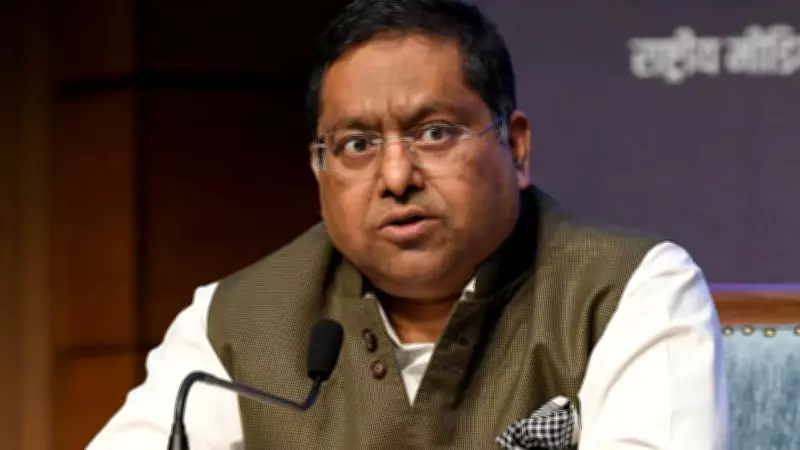
Going a step further, MEA spokesperson Randhir Jaiswal articulated optimism that the positive developments in West Asia might inspire and encourage similar peace efforts in other conflict zones, specifically mentioning Ukraine. "India has always been in favour of peace. We welcome all steps that lead to peace and stability," he affirmed, underscoring India's consistent pro-peace stance on global issues.
While there was no formal acknowledgment of Pakistan's key intermediary role—which has been credited by both former US President Donald Trump and Iran for the breakthrough—official sources indicated that India views the development positively. The ceasefire includes a commitment by Iran to keep the Strait of Hormuz open during the two-week truce, a move seen as a potential catalyst for advancing negotiations toward long-term regional peace.
Strategic Concerns and Bilateral Dynamics
Apart from ensuring the safety and security of the approximately 10-million-strong Indian diaspora in the Gulf region, India's foremost priority in recent weeks has been to secure safe passage for its liquefied petroleum gas (LPG) tankers through this crucial energy route. This effort aims to prevent any supply disruptions that could impact domestic energy needs and economic stability.
However, India remains cautious about potential negative repercussions on its already strained bilateral relations with Pakistan. The ceasefire could grant Islamabad greater international legitimacy, which New Delhi views with wariness. India maintains that Pakistan is a primary source of global terrorism and refuses to engage in substantive dialogue until Islamabad takes concrete and irreversible actions against cross-border terrorist groups.
Historical Context and Mediation Stance
Former President Trump also suggested that China might have played a role in the peace negotiations by encouraging Tehran to engage with the United States. For India, despite its close ties with multiple parties in the region and its status as a vital stakeholder in Gulf affairs, active mediation was not considered a viable option.
This aligns with India's decades-old policy of disdain for third-party mediation, particularly in matters involving Pakistan, where it has always emphasized bilateralism and direct negotiations. External Affairs Minister S. Jaishankar recently touched upon this principle at an all-party meeting, noting that India, unlike Pakistan, does not have a history of acting as an intermediary between nations. He referenced Pakistan's past role in facilitating clandestine backchannel talks between the US and China in 1971, highlighting the contrasting diplomatic approaches of the two South Asian neighbors.
Looking ahead, Pakistan Prime Minister Shehbaz Sharif has announced that Islamabad will host talks between the United States and Iran, scheduled to begin on April 10. India will be closely monitoring these developments, balancing its hopes for regional stability with its strategic interests and bilateral concerns.






