

Indian-Captained Crude Oil Tanker Safely Navigates Strait of Hormuz Amid Regional Tensions
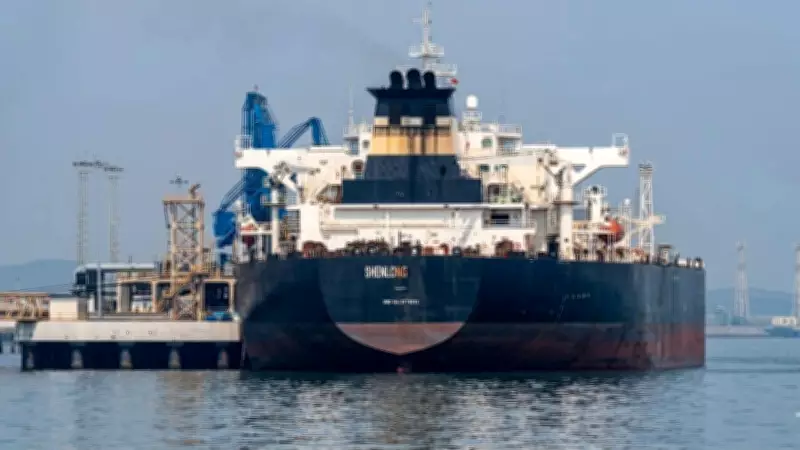
In a significant development amid escalating tensions in the Gulf region, a Liberian-flagged crude oil tanker, captained by an Indian national, has successfully arrived at the port of Mumbai after navigating the strategically vital Strait of Hormuz. The vessel, identified as the Tanker Shenlong Suezmax, loaded its cargo from the Saudi port of Ras Tanura and completed its journey to Indian shores, according to official information from the Mumbai Port Trust.
First India-Destined Vessel to Transit Amid Conflict
This arrival marks the first India-destined ship to safely traverse the Strait of Hormuz since intense fighting erupted between Iran and Israel, highlighting the critical importance of maritime security in the region. The tanker is reported to have been carrying approximately 135,335 metric tonnes of crude oil, equivalent to roughly one million barrels, which it departed with from Saudi Arabia on March 1.
A source within the Directorate General of Shipping provided additional details to The Times of India, confirming that the captain is indeed an Indian national. However, the crew composition is mixed, including nationals from India, the Philippines, and Pakistan, reflecting the diverse nature of global maritime operations.

Navigational Tactics and Erratic GPS Signals
While there has been no official confirmation, sources suggest that the Indian captain may have activated what is colloquially known as "dark mode" during the passage. This involves switching off the Automatic Identification System (AIS) tracking, a radio-based system used for real-time vessel monitoring. In war-like situations, such measures are sometimes employed to enhance security.
The source explained, "GPS signals are pretty erratic in the Strait. In a war-like situation, the AIS tracking system is switched off." This tactic could have been crucial in ensuring the tanker's safe transit through the blocked waterway. Additionally, it was revealed that another ship is en route to Mumbai and is expected to dock on Saturday, indicating continued maritime activity despite the ongoing conflict.
Iran's Strict Regulations and Warnings
The successful passage comes against the backdrop of stern warnings from Iranian authorities. Rear Admiral Alireza Tangsiri, commander of Iran's Islamic Revolutionary Guards Corps' Naval Force, has asserted that vessels must obtain Iran's approval before sailing through the Strait of Hormuz. Failure to comply could result in targeting by Iranian forces.
In a post on social media platform X, the Iranian general stated, "Any vessel intending to pass must obtain permission from Iran." He cited examples of two ships, Express Rome and Mayuree Naree, which were targeted after ignoring Iran's warnings. Iranian state media has reported intensified restrictions, with Tehran clarifying that only vessels not serving the interests of the US and Israel are assured safe passage.
The Strait of Hormuz is a critical chokepoint for global oil trade, with more than 20 million barrels of crude oil passing through daily. This narrow channel, separating the Iranian coast from Oman, is now at the center of geopolitical tensions, making the safe arrival of the Indian-captained tanker a notable event in international maritime logistics.






