

Indian Couple Abducted in Azerbaijan on 'Donkey Route' to US, Rescued in 24 Hours
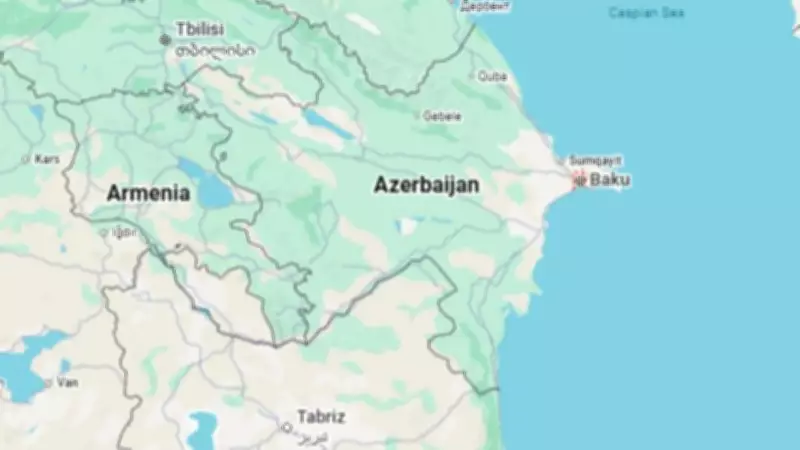
An Indian couple, Dhruv Patel and Dipika Patel, was kidnapped in Azerbaijan while attempting to reach the United States through the perilous 'donkey route' via Canada. The couple, lured by agents promising a pathway to America, faced brutal beatings and threats of organ harvesting during their ordeal. They had already paid a staggering $71,734, partially in cryptocurrency, to these agents before the situation turned violent.
Timeline of the Abduction and Rescue
The couple's journey began on January 30 when they left their residences and traveled to New Delhi, where they stayed at a hotel arranged by the agents. On February 1, they flew from Delhi to Baku on an Azerbaijan Airlines flight. However, their plans were abruptly halted as they were allegedly abducted by unknown individuals and taken to an abandoned house in Azerbaijan.
The kidnappers contacted the family members through WhatsApp video calls, showing Dhruv being beaten and demanding money. They threatened to sell both Dhruv and Dipika's kidneys if their demands were not met. In response, the family members contacted local politicians in India, leading to swift diplomatic intervention.

Through a coordinated effort named 'Operation Mahisagar', the couple was rescued within 24 hours of the abduction. This rapid response highlights the effectiveness of international diplomatic channels in crisis situations.
What is the 'Donkey Route'?
The 'donkey route' refers to a slow, difficult, and dangerous method used by individuals to enter North America, particularly the United States, without proper visas. This illegal pathway typically starts with flying legally to a country like Azerbaijan on a tourist visa, then involves traveling illegally to nations such as Russia or Georgia. From there, migrants move through Eastern Europe, then to Mexico, and finally attempt to cross into the US.
Last year, 54 men who entered the US via this route were deported back to India. A BBC report documented their harrowing journeys, revealing that they spent millions of rupees, often selling all their possessions, based on promises of odd jobs in the US, such as cooking positions. Instead, they faced arrest, spent years in jail, and were eventually sent back to India.
None of these individuals had a clear understanding of the exact routes they took, but they described months of travel involving multiple modes of transport, including buses, boats, and walking through jungles. This case underscores the severe risks associated with such illegal migration attempts.
This incident serves as a stark warning about the dangers of the 'donkey route' and the importance of legal immigration pathways. It also showcases the critical role of diplomatic efforts in protecting citizens abroad.






