Indian LPG Tanker Successfully Evades Mined Strait of Hormuz Amid Escalating West Asia Conflict
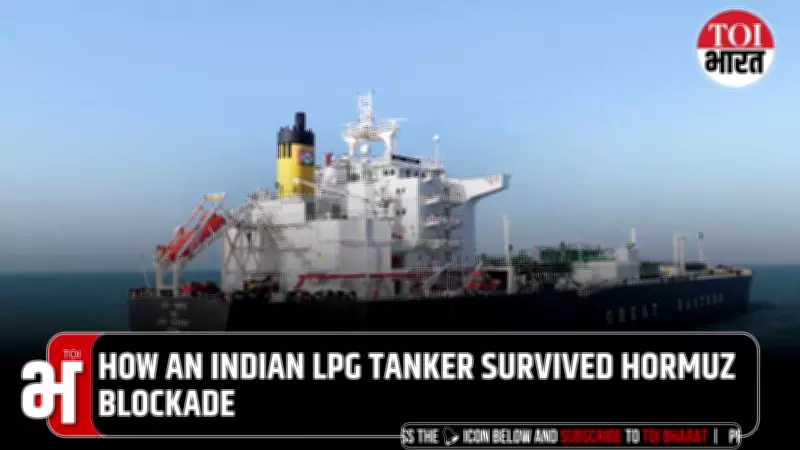
In a tense maritime operation highlighting the volatile security situation in West Asia, the Indian-flagged liquefied petroleum gas (LPG) tanker Pine Gas has managed to navigate away from heavily mined routes in the strategic Strait of Hormuz. The vessel, which was transporting a critical cargo of LPG, endured an extensive delay of nearly three weeks as it sought safe passage through the conflict-ridden waters.
Perilous Journey Through Hostile Waters
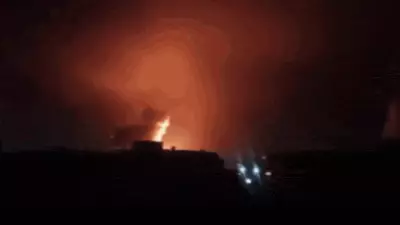
Crew members aboard the Pine Gas reported witnessing frequent and alarming missile and drone activity in the skies above the strait, underscoring the deteriorating security conditions in the region. The persistent threat from aerial attacks and the presence of naval mines created a highly dangerous environment for commercial shipping, forcing the tanker to proceed with extreme caution.
The decision to alter course was not taken lightly. After obtaining full and explicit consent from all crew members, the vessel's captain authorized a deviation from the traditional shipping lanes. This crucial consent ensured that every individual on board was aware of the risks and agreed to proceed with the alternative route.

Alternative Route Via Larak Island and Naval Escort
The Pine Gas was eventually cleared to sail via a non-traditional and less frequented pathway near Iran's Larak Island. This alternate corridor, while potentially safer from mined areas, still presented significant navigational and security challenges given the ongoing regional hostilities.
Providing a vital layer of protection, the Indian Navy deployed warships to escort the LPG tanker through the hazardous zone. This naval escort was instrumental in safeguarding the vessel and its crucial energy cargo, demonstrating India's commitment to protecting its maritime assets and ensuring the safety of its seafarers.
Broader Implications for Maritime Security and Energy Dependence
This harrowing episode brings to the forefront several critical issues:
- Escalating Maritime Threats: The incident underscores the growing and severe concerns over maritime security in key global chokepoints like the Strait of Hormuz, where commercial shipping is increasingly vulnerable to conflict-related hazards.
- India's Energy Import Vulnerability: It starkly highlights India's heavy dependence on energy imports transported via these volatile sea routes. Any prolonged disruption poses a direct threat to the nation's energy security.
- Ongoing Regional Crisis: The situation remains precarious, with multiple other Indian-flagged vessels and hundreds of Indian seafarers reportedly still stranded in the region, awaiting safe passage or resolution to the conflict.
The safe arrival of the Pine Gas into open waters marks a successful, albeit nerve-wracking, operation. However, it serves as a potent reminder of the fragile state of global shipping lanes in conflict zones and the continuous risks faced by the maritime industry in ensuring the flow of essential commodities like LPG.