

Indian National Admits Guilt in High-Profile US Assassination Conspiracy
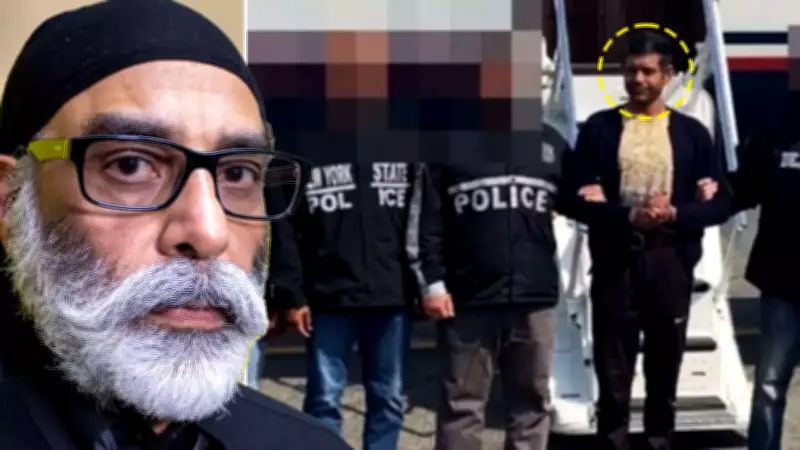
A dramatic guilty plea in a New York courtroom has reignited a major diplomatic controversy between India and the United States. Nikhil Gupta, a 54-year-old Indian citizen, has formally admitted to conspiring to assassinate Gurpatwant Singh Pannun, a prominent pro-Khalistan leader residing in the United States. This development adds significant fuel to an already tense bilateral relationship, with prosecutors detailing a chilling murder-for-hire scheme.
Details of the Criminal Plot and Financial Transactions
According to court documents and statements from US prosecutors, Gupta orchestrated a contract to kill Pannun for a total sum of $100,000. In a critical step, he allegedly paid an upfront amount of $15,000 to an individual he believed to be a professional hitman. Unbeknownst to Gupta, this person was actually an undercover federal agent, leading to his arrest and subsequent legal proceedings. The US indictment in this case also names Vikash Yadav as the alleged recruiter who facilitated the plot, though his current status and involvement are part of the ongoing investigation.
Serious Charges and Potential Legal Consequences
Nikhil Gupta now faces three severe criminal charges, including conspiracy to commit murder-for-hire and money laundering related to the illicit payments. If convicted on all counts, he could be sentenced to up to 40 years in federal prison, highlighting the gravity of the offenses under US law. The guilty plea is a pivotal moment in the case, potentially streamlining the judicial process but also intensifying scrutiny on the international ramifications.

India's Official Stance and Internal Inquiry
In response to the allegations, the Indian government has maintained a firm position, asserting that any such actions are strictly against official state policy. Authorities in New Delhi have emphasized that they do not sanction extraterritorial assassinations and have launched their own internal inquiry to investigate the matter thoroughly. This move aims to address US concerns while upholding India's diplomatic principles and legal frameworks.
Broader Diplomatic Implications and International Links
The case extends beyond the immediate plot, with US authorities linking its timeline to the killing of Hardeep Singh Nijjar in Canada, another pro-Khalistan figure. This connection has further strained India's diplomatic ties, particularly with Western nations, raising questions about transnational security and sovereignty. The incident occurs amidst a complex geopolitical landscape, where India's relationships with the US and other countries are being tested by such allegations.
Key Points to Note:
- Gupta's guilty plea confirms his involvement in the assassination conspiracy against Pannun.
- The plot involved a $100,000 contract, with $15,000 paid upfront to an undercover agent.
- Vikash Yadav is identified as an alleged recruiter in the US indictment.
- India has initiated an inquiry, reiterating that such actions are not state-sanctioned.
- The case is diplomatically sensitive, linked to other incidents like Nijjar's killing in Canada.
This unfolding saga underscores the delicate balance between national security interests and international diplomacy, as both India and the US navigate the fallout from this high-stakes legal and political drama.






