Indian Passport Gains Global Ground But Faces Long Road Ahead
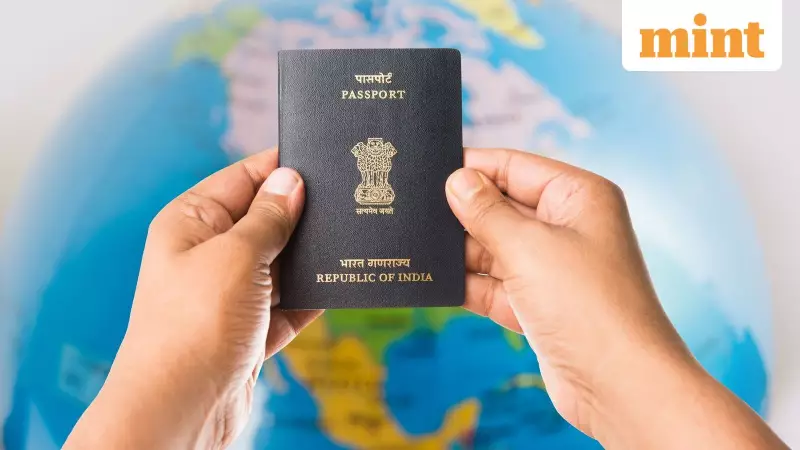
The familiar blue booklet with the Ashokan lion crest now carries more weight on the world stage. According to the latest Henley Passport Index, India's passport has climbed to 80th position in 2026. This marks a significant jump from its 85th rank just last year.
This improvement translates directly to greater travel freedom for Indian citizens. The passport now grants visa-free or visa-on-arrival access to 55 countries. This represents a clear increase in its power as a global door opener.
Recent Diplomatic Wins Boost Travel Freedom
Indian diplomacy appears to be paying dividends for travelers. Just this week, Germany announced visa-free transit privileges for Indian passport holders. While this specific concession may not directly impact the Henley rankings, it signals a broader trend of expanding access.

The timing couldn't be better. More Indians than ever before are traveling abroad for both business and leisure. A stronger passport makes these journeys smoother and more accessible to everyone.
Global Leaders Still Far Ahead
Despite this progress, India still trails far behind global leaders. Singapore's passport tops the chart with visa-free access to 192 countries. Japan and South Korea follow closely, with their citizens enjoying entry to 188 nations without prior visas.
Several European countries share third place, offering their citizens instant access to 186 destinations. Even the United States, long considered a travel powerhouse, now ranks 10th with access to 179 countries.
"While we move up, we have much catching up to do," travel analysts note. The gap between India's access and that of top-ranked nations remains substantial.
The Dual Citizenship Question Returns
India's current passport ranking raises an important policy question. Many successful business professionals of Indian origin choose foreign citizenship for greater travel convenience. Anecdotal evidence suggests many would happily hold Indian citizenship alongside their adopted nationality.
New Delhi has historically resisted dual citizenship. Instead, the government issues Person of Indian Origin booklets to qualified non-residents. These provide visa-free access to India but don't confer full citizenship rights.
Many other nations allow their citizens to hold multiple passports simultaneously. Security concerns could be addressed through careful case-by-case vetting processes.
Liberalizing citizenship rules could serve multiple purposes:
- It would please the global Indian diaspora
- It could potentially strengthen India's passport power
- It might encourage investment and engagement from overseas Indians
Challenges on the Horizon
Several factors could slow India's passport progress. Anti-immigration sentiment continues to rise in Western nations. Political conditions in wealthy countries may prevent them from relaxing entry barriers for Indian citizens.
Some destinations remain particularly difficult to access. Afghanistan's passport ranks lowest at 101st place, offering visa-free access to just 24 countries. Syria follows closely with only 26 nations welcoming its citizens without prior clearance.
As India's economy continues to grow, more countries will likely grant travel privileges. However, the wait for access to many prized destinations could be lengthy. Some nations remain wary of economic migration disguised as tourism.
The debate about India's passport power extends beyond mere rankings. It touches on questions of global mobility, economic opportunity, and national identity in an increasingly connected world.