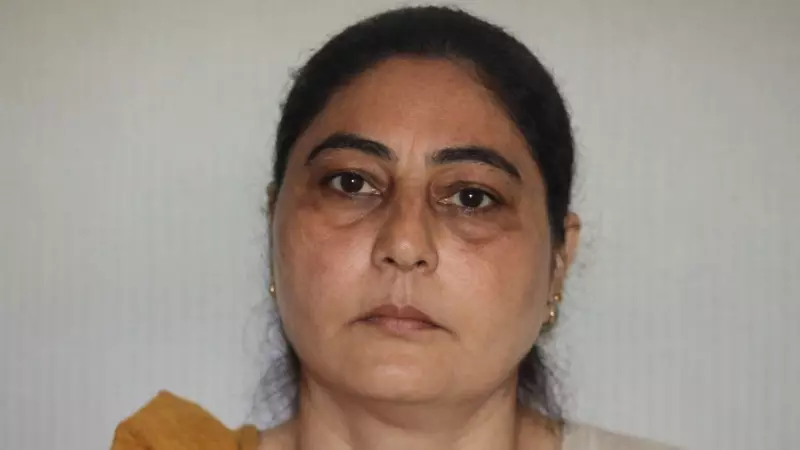
Sikh Woman's Desperate Plea from Pakistan Echoes Across Borders
An emotional audio clip has surfaced on social media, revealing the distressing situation of Sarabjeet Kaur, a Sikh devotee from India currently stranded in Pakistan. The recording captures her heartfelt appeal to her former husband, urging him to bring her back home to India.
Voice of Distress in Digital Waves
In the widely circulated audio, Sarabjeet Kaur's voice trembles with emotion as she describes her plight. She claims to be facing constant harassment in Pakistan and expresses deep financial hardship. "I'm broke and being harassed," she states clearly, painting a picture of her current reality.
The woman from Amanipur village in Punjab's Kapurthala district went missing during a religious pilgrimage to Pakistan last year. Her disappearance sparked concern, followed by surprising reports of her marriage to a Pakistani national.

A Marriage That Led to Legal Complications
Sarabjeet arrived in Pakistan on November 4 as part of a large Sikh pilgrimage group. The very next day, she entered into marriage with Nasir Hussain, a Muslim resident of Sheikhupura district located approximately 50 kilometers from Lahore.
This union quickly attracted official attention. Authorities arrested the couple and sent Sarabjeet to a government-run shelter home in Lahore. The newlyweds responded by filing a petition in the Lahore High Court, alleging that police conducted an illegal raid on their Farooqabad residence and pressured them to dissolve their marriage.
Justice Farooq Haider of the Lahore High Court issued an order directing police to cease harassing the couple. However, according to sources within the Punjab government, law enforcement agencies disregarded this judicial directive. Instead, they apprehended both individuals, sending Sarabjeet to the shelter while keeping her husband in police custody.
Financial Despair and Personal Appeals
In her emotional message, Sarabjeet contrasts her current circumstances with her previous life in India. She mentions having been financially comfortable back home, even claiming to have built a large house for her family. Now, she finds herself without even basic resources.
"I don't have warm clothes or proper shoes," she reveals, explaining that these essential items disappeared after her arrival in Pakistan. Her voice carries notes of desperation as she describes her isolation, alleging that Nasir Hussain's wife deceived her and left her completely alone.
The mother expresses profound longing for her children, asking her former husband to convey that their mother remains deeply unhappy. She makes a specific request that he refrain from scolding her upon her potential return, stating she already feels completely broken.
Safety Concerns and Deportation Attempts
Sarabjeet's fears extend beyond financial and emotional distress. She expresses genuine concern for her physical safety, revealing that she had previously consumed a poisonous substance while in India. She warns that continued harassment upon her return might push her to take similar drastic measures again.
Government sources indicate that Pakistani authorities have attempted to deport Sarabjeet Kaur. These efforts reportedly failed due to the closure of the Wagah-Attari border crossing between the two nations. The current plan appears focused on deporting her while her husband remains detained, facing legal proceedings.
Religious Pilgrimage Turned Personal Crisis
Sarabjeet traveled to Pakistan as part of a substantial religious contingent. The group of 1,932 Indian Sikhs crossed the border on November 4 to participate in celebrations marking the 556th birth anniversary of Guru Nanak Dev. Their ten-day pilgrimage included visits to several historic Sikh shrines:
- Gurdwara Panja Sahib in Hasan Abdal
- Gurdwara Sacha Sauda in Farooqabad
- Gurdwara Darbar Sahib in Kartarpur
While the entire jatha returned to India on November 13, Sarabjeet Kaur remained behind in Pakistan. Her continued absence and subsequent marriage created the complex situation that now finds her pleading for repatriation from a government shelter home, her voice carrying across digital platforms as she seeks a return to her homeland and family.