

India's Energy Crisis: Strait of Hormuz Disruption Threatens Fuel Lifeline
India is confronting a profound and escalating strategic energy squeeze as ongoing conflict in West Asia severely disrupts the critical maritime flows through the Strait of Hormuz. This narrow but vital corridor is an indispensable artery for global energy trade, and its instability now directly threatens India's fuel security and economic stability.
The Critical Chokepoint: Strait of Hormuz
The Strait of Hormuz, located between the Persian Gulf and the Gulf of Oman, serves as one of the world's most significant maritime chokepoints for oil and natural gas shipments. An estimated one-fifth of the world's oil consumption passes through this strait, making it a linchpin of global energy markets. For India, which imports over 80% of its crude oil requirements, this waterway is nothing short of a national fuel lifeline.
Recent geopolitical tensions and military conflicts in West Asia have introduced severe volatility and physical disruptions to shipping lanes. Attacks on vessels, increased naval patrols, and heightened insurance risks have collectively choked the flow of hydrocarbons, creating immediate supply chain bottlenecks.

Impact on India's Fuel Supply and Economy
The disruption poses a multi-faceted threat to India:
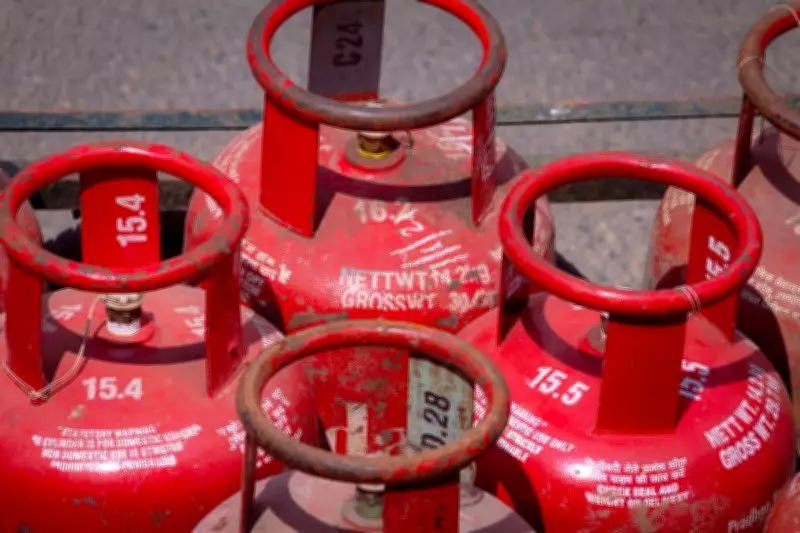
- Liquefied Petroleum Gas (LPG) Supply: LPG, a flammable mixture primarily of propane and butane, is a crucial cooking and heating fuel for millions of Indian households and industries. India is a major importer of LPG, and any interruption in Hormuz transit directly affects availability and prices.
- Crude Oil Imports: With a heavy reliance on Middle Eastern crude, supply shocks translate quickly into higher import costs, inflationary pressure on fuel prices, and potential shortages for refineries.
- Strategic Reserves: While India maintains strategic petroleum reserves, prolonged disruption could deplete these buffers, leaving the economy vulnerable to extended supply crises.
- Broader Economic Ripple Effects: Increased energy costs can stifle industrial output, raise transportation expenses, and dampen economic growth, affecting everything from manufacturing to agriculture.
Navigating the Energy Shock
This crisis underscores the urgent need for India to diversify its energy import routes and sources. Potential strategies include:
- Accelerating renewable energy adoption to reduce fossil fuel dependency.
- Strengthening diplomatic and trade ties with alternative suppliers in regions like Africa, Russia, and the Americas.
- Investing in infrastructure for overland pipelines and expanding strategic storage capacities.
- Enhancing naval and security cooperation to safeguard existing maritime routes.
The current situation serves as a stark reminder of the geopolitical fragility underpinning global energy security. For India, mitigating this shock requires not only immediate logistical adjustments but also a long-term strategic overhaul of its energy policy to build resilience against such chokepoint vulnerabilities.






