India's Strategic Water Leverage: A Look at the Indus Waters Treaty
India holds a significant position in controlling the flow of rivers that originate within its borders and flow into Pakistan. The Indus Waters Treaty, signed in 1960, governs the sharing of these vital water resources. This agreement allocates the eastern rivers—the Sutlej, Beas, and Ravi—to India, while the western rivers—the Indus, Jhelum, and Chenab—are primarily for Pakistan's use.
Potential for Restricting Water Flow
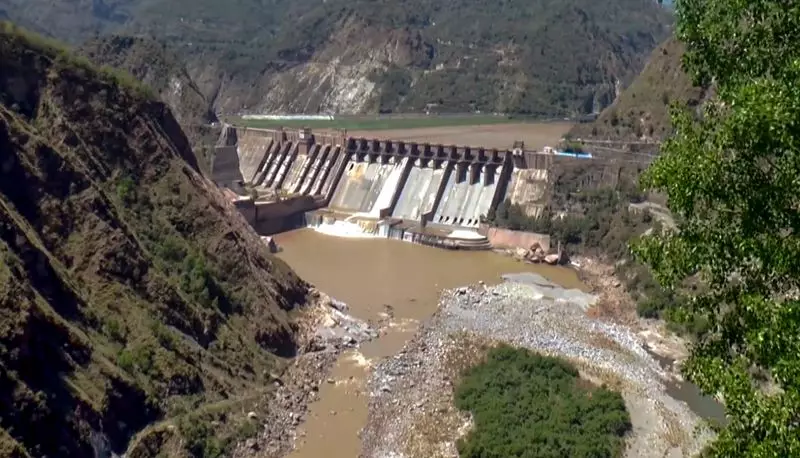
India can potentially restrict the water flow to Pakistan by building storage dams or diversion projects on the western rivers. The treaty allows India limited use of these rivers for specific purposes like irrigation and hydropower. However, any major restriction could violate the treaty's terms and escalate tensions.
Experts argue that India's ability to harm Pakistan through water restrictions is real but complex. Pakistan relies heavily on the Indus river system for agriculture and drinking water. A significant reduction in water supply could cripple its economy and affect millions of people.

Diplomatic and Legal Implications
Any move by India to restrict Indus waters would face intense international scrutiny. The treaty includes dispute resolution mechanisms through a neutral expert or a court of arbitration. Pakistan could seek international intervention, potentially drawing global powers into the conflict.
Moreover, such actions might damage India's reputation as a responsible riparian state. It could set a precedent for other countries to use water as a weapon in transboundary disputes.
Current Context and Future Scenarios
Recent tensions between India and Pakistan have revived discussions about using water as leverage. Some Indian policymakers suggest revisiting the treaty to address Pakistan's support for cross-border terrorism. However, others caution against weaponizing water, citing humanitarian and environmental consequences.
The situation remains delicate. India's infrastructure projects on the western rivers, like the Baglihar and Kishanganga dams, already cause concerns in Pakistan. Further restrictions could lead to a full-blown water war, with unpredictable outcomes for both nations.
In conclusion, while India possesses the technical capability to restrict Indus waters, the political, legal, and humanitarian costs are substantial. The decision involves balancing strategic interests with regional stability and international law.