India's Strategic Drift in Bangladesh Amid Political Shifts
India's foreign policy in Bangladesh is facing significant challenges as the political landscape undergoes dramatic changes. The rise of the Bangladesh Nationalist Party (BNP) and the retreat of the Awami League have created a complex scenario, leaving New Delhi adrift in its strategic calculations. By endorsing what many perceive as a flawed election process and underestimating the enduring strength of Prime Minister Sheikh Hasina, India risks compounding its policy mistakes, potentially undermining its influence in the region.
The Political Dynamics in Bangladesh
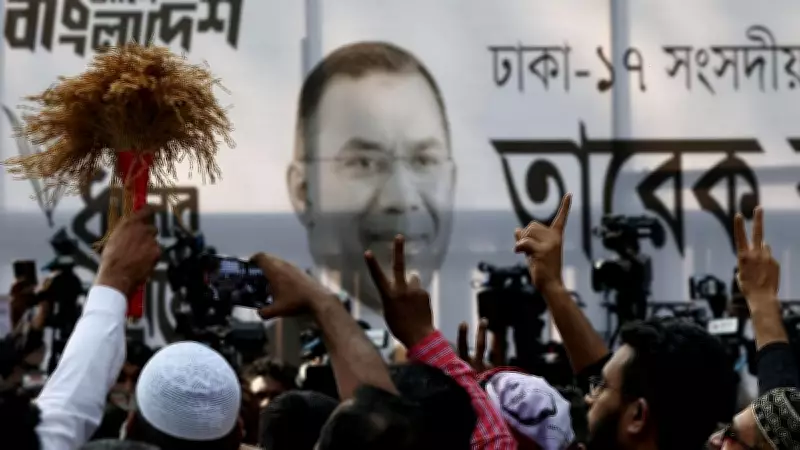
The Awami League, long a dominant force under Sheikh Hasina's leadership, is showing signs of retreat amid growing opposition from the BNP. This shift is not merely a domestic political realignment but has profound implications for India's diplomatic and security interests. India has historically maintained close ties with the Awami League, but the BNP's resurgence could alter this dynamic, forcing New Delhi to reassess its approach.
India's endorsement of the recent election in Bangladesh has been criticized as overlooking electoral irregularities. This move, seen by some as a misstep, reflects a broader pattern of policy errors that may isolate India from emerging political forces in Bangladesh. Ignoring Hasina's political acumen and grassroots support could further exacerbate these mistakes, leaving India vulnerable to shifts in regional alliances.

Implications for Regional Diplomacy
The situation in Bangladesh is a microcosm of larger geopolitical tensions in South Asia. As the BNP gains traction, India must navigate a delicate balance between supporting democratic processes and safeguarding its strategic interests. The risk of policy drift is high, with potential consequences for trade, security, and regional stability.
- India's historical alignment with the Awami League may need revision.
- The BNP's rise could introduce new diplomatic challenges for New Delhi.
- Endorsing flawed elections risks damaging India's credibility as a democratic leader.
In conclusion, India's current stance in Bangladesh, characterized by a flawed endorsement and oversight of Hasina's strength, threatens to compound existing policy errors. As the BNP ascends and the Awami League recedes, New Delhi must adopt a more nuanced and proactive strategy to avoid being left adrift in an increasingly volatile political environment.