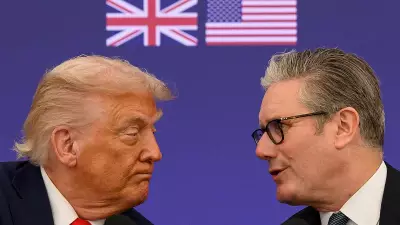
India has firmly reiterated its stance in favour of multilateral global cooperation, responding to a significant move by the United States to pull out of dozens of international organisations. This development follows an announcement by US President Donald Trump, marking a pivotal shift in America's engagement with the world.
India's Official Response to the US Withdrawal
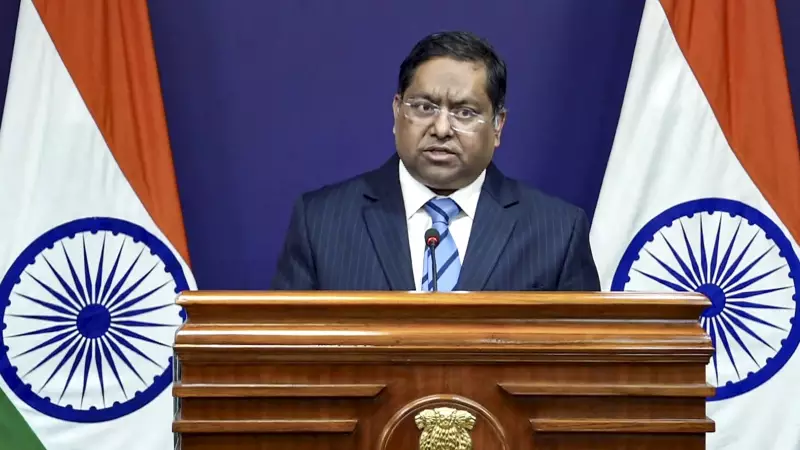
On Friday, January 10, 2026, the Ministry of External Affairs (MEA) addressed the United States' decision to exit 66 international bodies. Official spokesperson Randhir Jaiswal confirmed that India had taken note of the announcement. The US withdrawal encompasses various United Nations organisations and, notably, the International Solar Alliance (ISA), a key initiative co-led by India and France.
President Trump justified the move by labelling these institutions as "redundant" and claiming they acted contrary to American interests. In contrast, India's response underscored a fundamentally different worldview. "India stands for multilateralism and believes that global issues need consultative and collaborative action by all countries," Jaiswal stated, clearly outlining Delhi's diplomatic philosophy.

Implications for the International Solar Alliance and Global Order
The exit of the United States from the International Solar Alliance is expected to have tangible consequences. Jaiswal highlighted the alliance's progress since its inception, promoting solar energy among its 125 member nations. However, analysts in Delhi assess that the US departure will create a financial void and a leadership vacuum within the ISA and other affected groups.
The withdrawal signals a potential loss of expertise and a significant reduction in potential investment. The ISA's ambitious goal of mobilising over $1 trillion for solar projects by 2030 could face headwinds without US financial contributions. Furthermore, officials in New Delhi anticipate that China, with its substantial resources, capital, and influence, is poised to step into the breach. One official remarked that Beijing would find these groupings "ripe for picking."
India's Diplomatic Path Forward
Faced with this recalibration of global power dynamics, India's strategy will involve consolidating support with like-minded partners within these multilateral frameworks. The objective is to protect and safeguard the established international rules and cooperative spirit of these organisations. While the US withdrawal is seen as a diplomatic setback for Delhi, the ISA's diversified membership and funding sources since its launch provide a degree of resilience.
The move underscores a broader contest for influence in global governance. As one major power steps back, others are ready to advance. India's immediate task, as per officials, is to navigate this new landscape through strengthened partnerships and a unwavering commitment to collaborative, multilateral solutions to world problems.