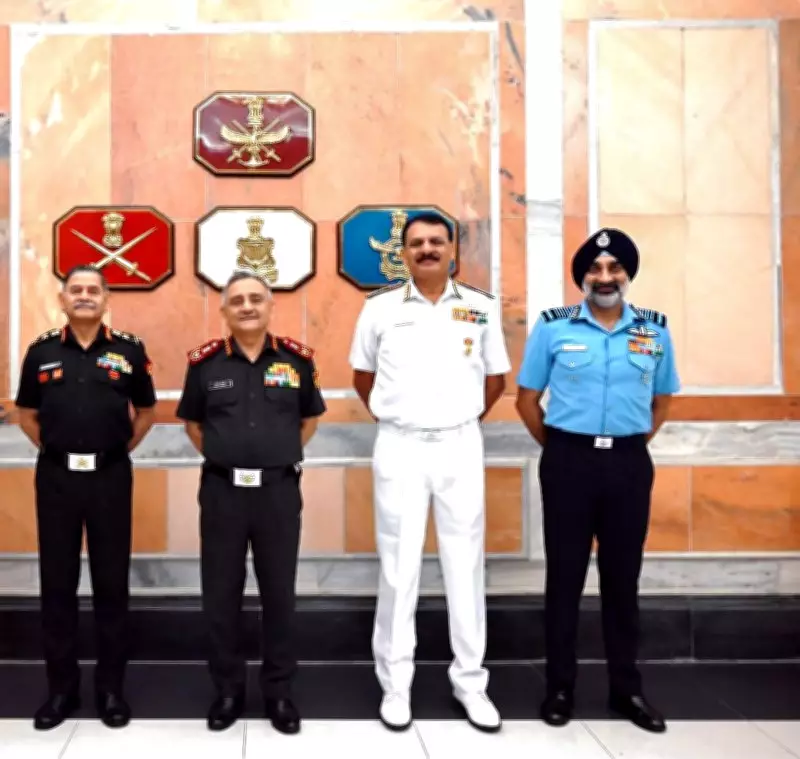
India's New Theater Command Structure Takes Shape, Awaits Government Approval
India's defense establishment is making significant strides in reorganizing its military command structure, with a new theater command system now taking shape and awaiting final approval from the government. This transformative initiative aims to enhance joint operations and operational efficiency across the armed forces, marking a pivotal shift in India's defense strategy.
Details of the Proposed Theater Command Structure
The proposed theater command structure involves consolidating the existing 17 single-service commands into a more integrated framework. Under this new system, the Indian military will be organized into several theater commands, each responsible for a specific geographical area or functional domain. This reorganization is designed to foster better coordination among the Army, Navy, and Air Force, ensuring a unified approach to national security challenges.
Key aspects of the structure include the establishment of commands such as a Maritime Theater Command to oversee naval operations and an Air Defense Command to manage aerial threats. Additionally, there are plans for integrated commands in critical regions like the northern and western borders, where joint operations are deemed essential for effective defense.

Current Status and Government Approval Process
As of now, the theater command structure has been meticulously planned and is in an advanced stage of development. Military officials have completed the groundwork, including detailed studies and consultations with stakeholders, to ensure a smooth transition. However, the implementation hinges on receiving formal approval from the government, which is expected to review the proposal in the coming months.
The government's nod is crucial as it involves significant logistical, financial, and strategic considerations. Once approved, the new structure will undergo a phased rollout, with initial commands likely to be operational within a specified timeframe. This approval process underscores the importance of political oversight in major defense reforms.
Implications for India's Defense Capabilities
The adoption of a theater command structure is poised to bolster India's defense capabilities by enabling faster decision-making and more effective resource utilization. By integrating the three services under unified commands, India can respond more swiftly to emerging threats and conduct complex operations with greater synergy.
This move aligns with global military trends, where many advanced nations have already implemented similar structures to enhance their defense preparedness. For India, it represents a step towards modernizing its armed forces and strengthening its position in the regional security landscape.
Challenges and Future Outlook
Despite the progress, challenges remain in implementing the theater command structure. These include addressing inter-service rivalries, ensuring adequate funding, and managing the transition without disrupting ongoing operations. However, with careful planning and government support, these hurdles are expected to be overcome.
Looking ahead, the successful implementation of this structure could redefine India's military posture, making it more agile and responsive. As the proposal awaits government approval, stakeholders remain optimistic about its potential to transform India's defense architecture for the better.