

Iran Accuses US of 'Breaches of Promise' After Failed High-Stakes Talks in Islamabad
Iran struck a defiant tone on Sunday following the collapse of high-stakes negotiations with the United States in Islamabad, with its foreign ministry spokesperson publicly accusing Washington of "breaches of promise" and "excessive demands." The marathon talks, mediated by Pakistan and spanning over 21 hours, concluded without any breakthrough agreement, marking a significant setback in diplomatic efforts between the long-time adversaries.
Diplomacy as 'Sacred Jihad' and Accusations of Ill Deeds
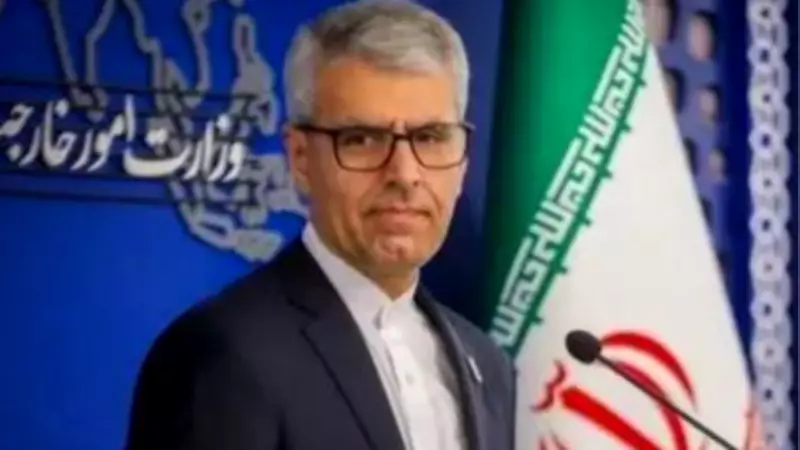
In a pointed post on social media platform X, Iranian Foreign Ministry spokesperson Esmaeil Baqaei framed diplomacy for Tehran as "the continuation of the sacred jihad." He asserted that Iran would not forget "America's breaches of promise and ill deeds" or what he described as "heinous crimes" committed during past conflicts. Baqaei emphasized that the "heavy loss of our great ones" had made Iran's resolve "firmer than ever before," declaring that "nothing can or should deter us from pursuing our great historical mission towards our beloved homeland and noble Iranian civilization."
Intensive Negotiations Yield No Breakthrough
Baqaei revealed that the Iranian delegation had engaged in "intensive negotiations" throughout Saturday, exchanging multiple messages with their American counterparts. He stated that Iranian negotiators used "all their ability, experience, and knowledge to safeguard the rights and interests of Iran" during the discussions. Despite these efforts, Iranian media confirmed that the two sides "have not reached an agreement," with Tehran blaming US "excessive demands" for preventing a common framework.

Key Sticking Points Remain Unresolved
According to the Iranian spokesperson, discussions over the past 24 hours covered several major contentious issues, including:
- The Strait of Hormuz: Control and security of this critical global energy route
- Iran's Nuclear Programme: Commitments and verification mechanisms
- War Reparations: Financial compensation for past conflicts
- Sanctions Relief: Removal of economic restrictions against Iran
- Complete End to Regional War: Broader peace settlement in the Middle East
Baqaei specifically highlighted that disputes over nuclear commitments and control of the Strait of Hormuz remained central points of contention throughout the negotiations.
US Confirms No Deal After Marathon Session
US Vice President JD Vance confirmed the American delegation was leaving Pakistan after 21 hours of negotiations without any agreement. Vance stated that Iran had refused to accept US terms, including crucial commitments not to build nuclear weapons. "The bad news is that we have not reached an agreement," Vance said, adding that Washington had made its "red lines" clear during the discussions.
Significance of the Talks and Future Prospects
The Islamabad negotiations represented the first direct high-level engagement between Iran and the United States in over a decade. They were seen as crucial to sustaining a fragile two-week ceasefire that had been in place and reopening the Strait of Hormuz, through which approximately one-fifth of the world's oil passes. Despite the significant setback, Iran signaled that negotiations could potentially continue in the future. Tehran expressed gratitude to Pakistan for its "benevolent efforts" in hosting and mediating the discussions, acknowledging Islamabad's role as an intermediary in this delicate diplomatic process.
Baqaei concluded that Tehran remains committed to using "all tools, including diplomacy," to secure its national interests and goals. However, he stressed that any future progress would depend entirely on the "seriousness and good faith of the opposing side," specifically calling on the United States to refrain from "excessive demands and unlawful requests" while accepting "Iran's legitimate rights and interests."






