

Iran Accuses United States of Failing to Gain Trust in Islamabad Negotiations
In a significant diplomatic setback, Iran's chief negotiator at the Islamabad talks has squarely blamed the United States for the failure to reach a deal, asserting that Washington failed to secure Tehran's trust. The high-stakes negotiations, which spanned an intense 21 hours, aimed to address escalating tensions in the Middle East but concluded without an agreement.
Iranian Leadership Points to Trust Deficit
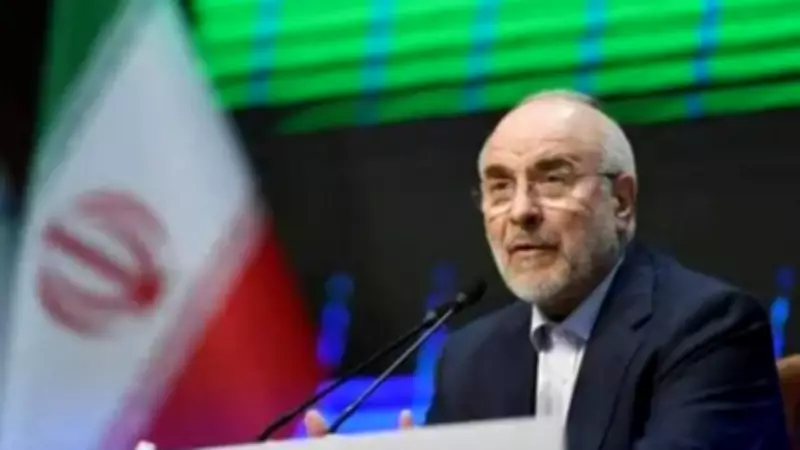
Mohammad Bagher Qalibaf, Iran's parliament speaker and a key figure in the talks, took to social media platform X to express his views. In a series of posts, he revealed that the Iranian delegation had put forth "forward-looking initiatives" during the marathon discussions. However, he emphasized that the American side ultimately could not overcome the trust barrier. "Now is the time for the US to decide whether it can gain our trust or not," Qalibaf stated, highlighting the deep-seated mistrust that has long plagued US-Iran relations.
US Vice President Cites Unmet Nuclear Demands
On the American side, Vice President JD Vance confirmed that no agreement was reached, despite what he described as a "final and best offer" from the United States. Speaking to reporters in Islamabad before his departure, Vance outlined the core issue: "The simple fact is that we need to see an affirmative commitment that they will not seek a nuclear weapon and will not seek the tools that would enable them to quickly achieve a nuclear weapon." This statement underscores the persistent US concerns over Iran's nuclear ambitions, which have been a central point of contention in international diplomacy for years.

Iran Downplays Expectations, Highlights Disagreements
Meanwhile, Iran's foreign ministry sought to temper expectations, with spokesperson Esmaeil Baqaei noting that there was never any anticipation of reaching an agreement in a single round of talks. According to state broadcaster IRIB, Baqaei said, "Naturally, from the beginning, we should not have expected to reach an agreement in a single session. No one had such an expectation." This perspective suggests that Iran views the negotiations as part of a longer process, rather than a one-off event.
Neither Iran nor the United States provided extensive details on the specific points of disagreement. However, Iranian state media reported that the main sticking points revolved around Iran's nuclear program and issues related to transit through the strategic Strait of Hormuz. IRIB further claimed that the talks ended due to "unreasonable demands" from the US side, adding another layer of complexity to the already fraught discussions.
Historical Context and Significance of the Talks
The Islamabad talks, which began on Saturday, represented a critical effort to end a six-week conflict that has destabilized the Middle East. This meeting marked the first direct engagement between the United States and Iran since 2015, when the Obama administration signed a nuclear deal with Tehran—an agreement that was later scrapped by the Trump administration. Additionally, it was the highest-level interaction between the two nations since the 1979 Islamic Revolution, underscoring the historic nature of the dialogue.
The failure to reach a deal highlights the enduring challenges in US-Iran relations, characterized by mutual suspicion and divergent strategic interests. As both sides retreat to assess their positions, the international community watches closely, aware that the outcome of such negotiations could have far-reaching implications for regional stability and global security.






