

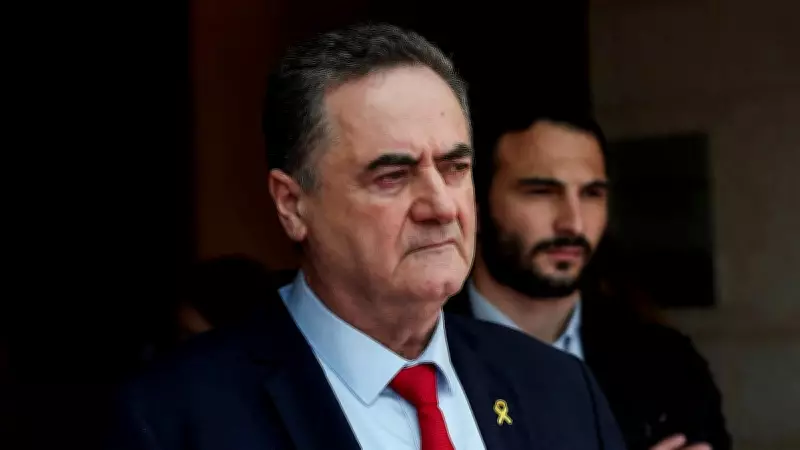
Israel's Defence Minister has stated that the country will not withdraw from territory seized in Lebanon, a position that has become a major sticking point in ongoing negotiations. Despite repeated calls from former US President Donald Trump and other international leaders for a cessation of hostilities, both Israel and Hezbollah have continued their attacks on each other in recent weeks.
Defence Minister's Statement
The Defence Minister's declaration underscores Israel's firm stance on retaining control over the areas captured during recent operations. The minister emphasized that the security of northern Israel remains a top priority, and any withdrawal would only occur under conditions that guarantee the safety of Israeli citizens.
Impact on Negotiations
The refusal to withdraw has complicated diplomatic efforts aimed at de-escalating the conflict. International mediators have been working to broker a ceasefire, but the territorial dispute remains a significant obstacle. The United Nations and several world powers have urged both sides to exercise restraint and return to the negotiating table.

Continued Hostilities
Despite international pressure, cross-border attacks have persisted. Hezbollah has launched rockets into northern Israel, while the Israeli military has conducted airstrikes on targets in southern Lebanon. The cycle of violence has raised fears of a broader regional conflict, drawing concern from global leaders.
Regional Reactions
Neighboring countries and international organizations have reacted with alarm to the Defence Minister's statement. Arab League officials condemned the Israeli position, calling it a violation of Lebanese sovereignty. Meanwhile, the United States reiterated its support for Israel's right to self-defense but urged both parties to avoid further escalation.
Humanitarian Concerns
The ongoing conflict has taken a heavy toll on civilians in the region. Thousands have been displaced from their homes in southern Lebanon and northern Israel. Humanitarian organizations are struggling to provide aid amid the fighting, and there are growing calls for a humanitarian corridor to assist affected populations.
The situation remains fluid, with no immediate prospect of a resolution. As both sides dig in, the international community continues to search for a diplomatic solution that can bring an end to the violence and address the underlying territorial disputes.






