

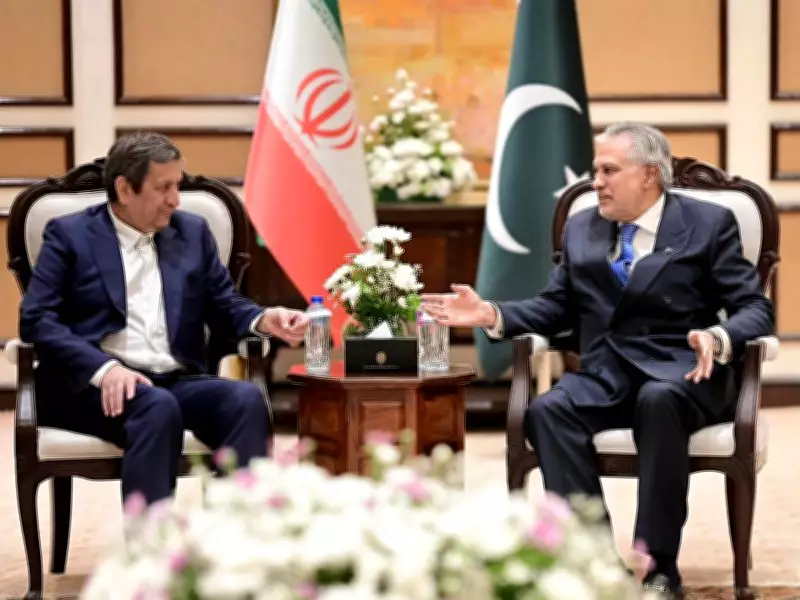
Iran's Central Bank Governor Engages in High-Level Talks with Pakistan's Deputy Prime Minister
In a significant diplomatic and economic development, Iran's Central Bank Governor, Abdolnaser Hemmati, held a crucial meeting with Pakistan's Deputy Prime Minister and Foreign Minister, Ishaq Dar, in Islamabad. The discussions focused on strengthening bilateral economic relations, enhancing trade partnerships, and improving banking cooperation between the two neighboring nations.
Key Agenda Points of the Meeting
The talks between Hemmati and Dar covered a wide range of topics aimed at boosting economic ties. Key areas of discussion included:
- Trade Enhancement: Exploring ways to increase the volume of bilateral trade, which has faced challenges due to regional sanctions and logistical issues.
- Banking Sector Collaboration: Addressing hurdles in financial transactions and proposing mechanisms to facilitate smoother banking operations between Iranian and Pakistani institutions.
- Investment Opportunities: Identifying potential sectors for mutual investments, such as energy, infrastructure, and technology, to foster economic growth.
- Regional Economic Stability: Discussing the impact of geopolitical developments on the economies of both countries and strategies to mitigate adverse effects.
Context and Implications of the Dialogue
This meeting occurs against a backdrop of evolving regional dynamics, including sanctions on Iran and Pakistan's efforts to stabilize its economy. Hemmati's visit underscores Iran's intent to deepen economic engagement with Pakistan, leveraging their shared border and historical ties. For Pakistan, under Deputy PM Dar's leadership, enhancing relations with Iran could provide alternative trade routes and energy sources, diversifying its economic partnerships.

The discussions are seen as a step towards revitalizing the Iran-Pakistan gas pipeline project and other joint ventures that have stalled in recent years.
Outcomes and Future Prospects
While specific agreements were not immediately disclosed, both sides expressed commitment to follow up on the talks with concrete actions. Expected outcomes include:
- Formation of joint working groups to address banking and trade barriers.
- Increased diplomatic exchanges to monitor progress on economic initiatives.
- Potential memoranda of understanding (MoUs) in sectors like agriculture and pharmaceuticals.
This engagement highlights the importance of economic diplomacy in fostering regional cooperation, with both nations aiming to overcome external pressures through strengthened bilateral ties.






