

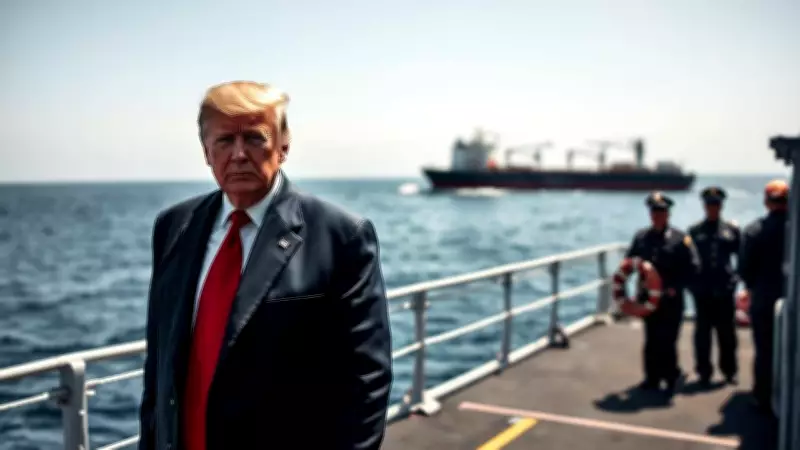
Iran Defies Trump's 48-Hour Ultimatum, Maintains Strait of Hormuz Access for Non-Enemy Shipping
In a bold response to a 48-hour "ultimatum" from US President Donald Trump, Iran declared on Sunday that the Strait of Hormuz remains open to all maritime traffic, with the exception of ships linked to its "enemies," specifically the United States and Israel. This crucial waterway, which facilitates approximately 20% of the world's crude oil supply, has become a focal point in the escalating tensions between these nations.
Iran's Diplomatic Stance and Security Proposals
Ali Mousavi, Iran's permanent representative to the International Maritime Organization (IMO) and its envoy to the United Kingdom, emphasized Tehran's readiness to collaborate with the IMO to bolster maritime safety and protect seafarers in the Gulf region. He stated, "We are prepared to cooperate with the International Maritime Organization to enhance maritime safety and safeguard seafarers in the Gulf. Vessels not associated with Iran's 'enemies' can transit the strait by coordinating security and safety arrangements with Tehran."
Mousavi further called for an immediate end to hostilities, urging all parties to rebuild "mutual trust and confidence." He highlighted, "Diplomacy remains Iran's top priority. However, a complete cessation of aggression, along with the restoration of mutual trust and confidence, is essential. The Israeli and US attacks against Iran are at the root of the current situation in the Strait of Hormuz."

Background of the Conflict and Retaliatory Actions
The current crisis stems from joint US-Israeli strikes on Iran on February 28, which prompted Tehran to effectively disrupt traffic through the Strait of Hormuz in retaliation. Since then, Iran has launched attacks on Israeli territory and targeted Gulf states that host US military bases, intensifying regional instability.
President Trump has repeatedly urged allied nations to deploy their navies to escort vessels through the strait, but these appeals have largely been met with resistance. In a social media post, Trump issued a stark warning: "If Iran doesn't fully open, without threat, the Strait of Hormuz, within 48 hours from this exact point in time, the United States of America will hit and obliterate their various power plants, starting with the biggest one first!"
Global Implications and Ongoing Tensions
The standoff over the Strait of Hormuz has significant implications for global energy markets, given its role as a vital conduit for oil shipments. Iran's conditional openness aims to mitigate disruptions while asserting its sovereignty and challenging US-Israeli pressures. The situation underscores the fragile balance between diplomatic efforts and military posturing in the Middle East, with potential ramifications for international trade and security.
As tensions persist, the international community watches closely, with concerns mounting over the possibility of further escalations that could impact crude oil supplies and regional stability. Iran's stance reflects a strategic maneuver to maintain control over key maritime routes while navigating complex geopolitical dynamics.






