Iran Envoy in Delhi Blames External Forces for Protests, Says Iran Differs from Venezuela
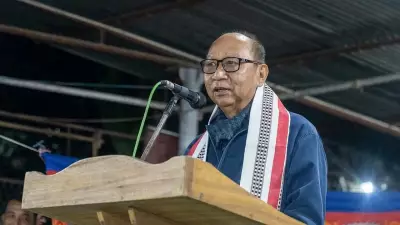
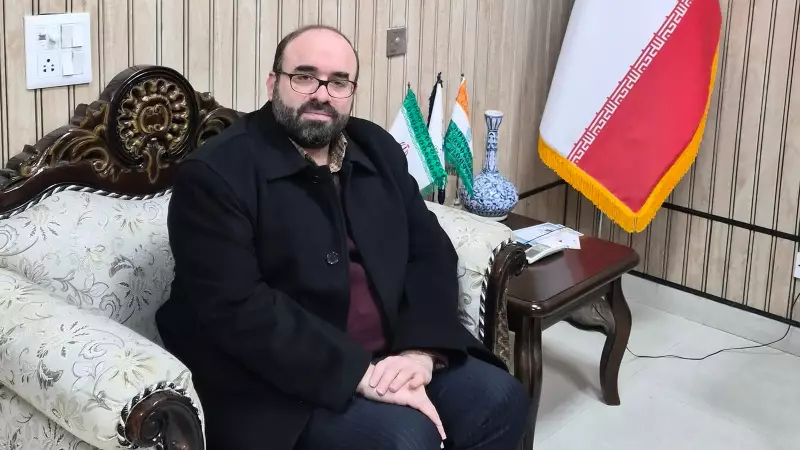
Dr Farid Faridasr, the Cultural Counsellor and Head of Iran Cultural House in New Delhi, has spoken out about the ongoing crisis in Iran. He claims external forces are driving the protests. He also addresses the situation of Indian students in Iran and how Iranians in Delhi are coping with communication blackouts.
Internet Shutdown Creates Challenges for Iranians in India
The internet shutdown in Iran has lasted nearly a week. This action makes it hard for Iranian citizens in India to contact their families back home. Dr Faridasr explains that the administration took this step to control the crisis. He emphasizes the critical security situation today.
"In this modern era, wars are not traditional. Everything is hybrid. We must strike at the root cause of warfare that thrives on internet and social media narratives," he states.

However, the shutdown causes worry for hundreds of Iranians living in India, including students. They struggle to know how their families are doing. It also blocks ground realities from Tehran from reaching the world.
Embassy Provides Special Line for Family Contact
To help Iranians reach their loved ones, the Iranian Embassy in Delhi has set up a special line. Nationals can visit the embassy to talk to family members. Many people are using this service.
Dr Faridasr himself goes to the embassy to call his family in Tabriz. Tabriz is one of the cities hardest hit by the current crisis.
Around 200 to 300 Iranians reside in Delhi. This number excludes the roughly 100 staff at the embassy and cultural house, plus diplomats' families. Iranian consulates in Mumbai and Pune have also received instructions to facilitate similar communication for citizens.
Protests Seen as Extension of Last Year's Conflict
Dr Faridasr views the latest anti-government protests as an extension of last year's conflict. He alleges that external forces, unable to topple the government previously, have adopted new tactics this time.
"They have infiltrated arms from neighbouring countries and incited people to create anarchy in the name of economic distress. When security forces retaliated, their agenda gained renewed momentum," he asserts.
He believes these forces want Iran to bow to world superpowers, which has not happened. He references statements by former US President Donald Trump, who called for Iran's top leadership to surrender.
Small Internal Discontent, But Anarchy is External
When asked if common people in Iran have no issues with the regime, Dr Faridasr acknowledges a small section may disapprove of some government actions. He notes that protests and freedom of expression are part of Iranian society, but anarchy is not.
"Anarchy is the doing of external forces," he insists.
Situation Calming, But Threats Remain
In recent days, reports of anarchy have decreased. The internet shutdown has helped calm the situation. Authorities have identified and arrested protest leaders.
However, Dr Faridasr highlights the main threat comes from statements by the US President threatening attacks. He draws a comparison with Venezuela but stresses Iran's resilience.
"What they did in Venezuela cannot be replicated with us. Iran is not Venezuela. The situation remains fragile as long as Trump is America's President, but we are always ready to deal with it," he concludes.
The interview sheds light on the Iranian perspective from Delhi, emphasizing external influences and the community's efforts to stay connected during turbulent times.