

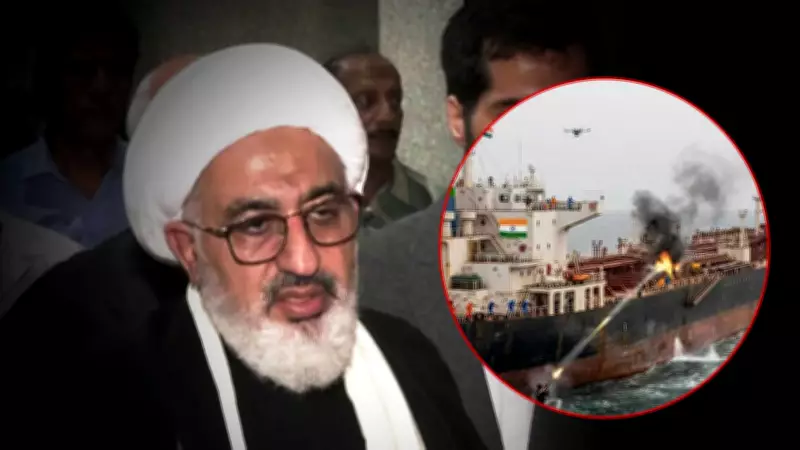
Iran's Diplomat Emphasizes Strong India Ties Amid Hormuz Incident
Following reports of a shooting incident involving two Indian-flagged vessels in the strategically vital Strait of Hormuz, Iran's diplomatic representative in India has moved to reassure both nations about the strength of their bilateral relationship. Dr Abdul Majid Hakeem Ilahi, who serves as the representative of Iran's Supreme Leader in India, stated that while he lacks specific information about the event, the foundation of Iran-India relations remains solid and resilient.
Diplomatic Reassurance in Tense Waters
The Strait of Hormuz represents one of the world's most critical maritime corridors, through which approximately one-fifth of global oil consumption passes daily. Any incident in these waters immediately raises international concerns about energy security and trade stability. Dr Ilahi's comments come at a sensitive time when maritime security in the region faces heightened scrutiny from global powers and regional stakeholders alike.
"Our relationship with India is very strong," emphasized Dr Ilahi during his remarks. "We have confidence that any situation can be resolved through peaceful means and diplomatic channels." This statement reflects Iran's consistent position of seeking stability and avoiding military escalation in the volatile Middle Eastern region.

Call for Restraint and Dialogue
The Iranian diplomat explicitly urged all parties involved to exercise maximum restraint and prioritize dialogue over confrontation. "Iran does not support war in any form," he reiterated, aligning his comments with Tehran's longstanding foreign policy position. "Our objective is always regional peace and stability, which benefits all nations, including our important partner India."
Dr Ilahi's diplomatic intervention serves multiple purposes:
- Reassuring India about Iran's commitment to their bilateral relationship
- Addressing international concerns about maritime security in strategic waters
- Reinforcing Iran's position as a responsible regional actor
- Encouraging peaceful resolution mechanisms over military options
Broader Regional Implications
The incident occurs against a complex geopolitical backdrop where multiple international powers maintain significant interests in the Persian Gulf region. India, as a major energy importer and growing global power, maintains delicate diplomatic balancing with various Middle Eastern nations, including Iran. The strength of India-Iran relations has economic dimensions beyond security concerns, encompassing energy trade, infrastructure projects, and regional connectivity initiatives.
Dr Ilahi's emphasis on peaceful resolution reflects understanding that incidents in the Strait of Hormuz could potentially:
- Disrupt global energy markets and trade flows
- Strain diplomatic relations between important partners
- Escalate regional tensions at a sensitive geopolitical moment
- Undermine confidence in maritime security protocols
As investigations into the specific incident continue, diplomatic channels between New Delhi and Tehran remain open and functional. Both nations have historically managed to navigate complex regional dynamics while maintaining substantive economic and strategic cooperation. The current situation tests this diplomatic resilience but appears unlikely to fundamentally alter the trajectory of India-Iran relations, given the mutual interests both countries maintain in regional stability and bilateral cooperation.






