

Iran Ambassador to India Assures Safe Passage for Indian Vessels Amid Regional Conflict
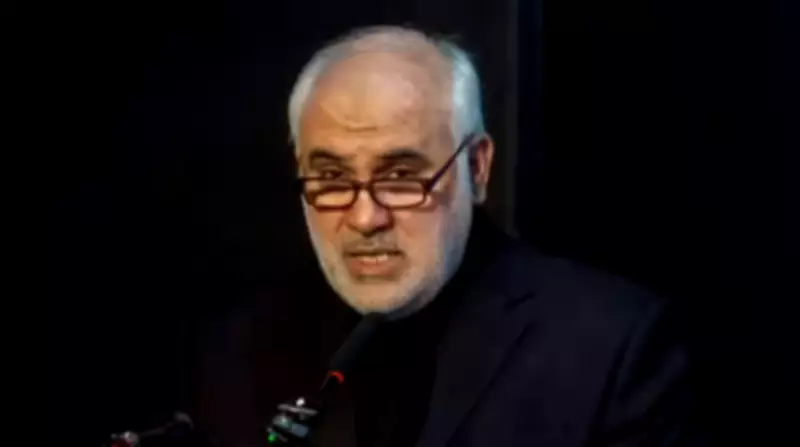
In a significant diplomatic statement, Mohammad Fathali, Iran's ambassador to India, has affirmed Tehran's commitment to maintaining cooperation with New Delhi, including ensuring the safe passage of Indian vessels through the strategically vital Strait of Hormuz. The ambassador made these remarks during an exclusive interview, addressing the ongoing disruptions in West Asia.
"Illegal Assault Built on Illusions"
Ambassador Fathali characterized the conflict involving his country as an "illegal assault built on illusions," expressing firm opposition to the actions taken against Iran. He emphasized that the current situation in the region has led to heightened insecurity and increased risks for maritime navigation.
"Currently, the strait is only closed to countries that are at war with Iran. It is natural that during wartime, we will not allow our enemies to pass through our internal waters," Fathali stated. He clarified that the reduced traffic of other ships is primarily due to regional insecurity and exorbitantly high insurance costs, rather than any blanket closure by Iran.

Special Measures for Friendly Nations Like India
The Iranian envoy detailed that special operational measures have been implemented to facilitate the safe passage of ships from friendly nations, including India. These measures are handled on a case-by-case basis, depending on real-time conditions and security assessments.
"The fact that other ships are not traveling is due to the insecurity in the region and extremely high insurance costs," he explained, underscoring that Iran remains committed to supporting its allies amidst the turmoil.
Restrictions on Aggressor Nations
At the same time, Ambassador Fathali made it clear that access through the Strait of Hormuz is restricted for countries "directly or indirectly involved in the aggression" against Iran. This stance aligns with Iran's position of defending its sovereignty while engaging with cooperative partners.
He praised India's position on the regional complexities, noting that it reflects a deep understanding of the situation. "It's a reflection of its understanding of regional complexities," he said, acknowledging New Delhi's diplomatic approach.
Commitment to Maritime Safety and Accountability
Fathali reiterated Tehran's dedication to freedom of navigation and maritime safety, but added a crucial caveat: "Freedom of navigation isn't possible without due respect for the coastal state." This statement highlights Iran's insistence on mutual respect in international waters.
Regarding the disruption and heightened risks in the region, the ambassador placed responsibility squarely on the regimes of the United States and Israel. He asserted that their actions are in "direct contradiction to the UN charter," contributing to the instability that affects global shipping routes.
The ambassador's comments come at a critical time when maritime security in West Asia is under strain, with implications for international trade and diplomatic relations. Iran's assurance of safe passage for Indian vessels underscores the enduring partnership between the two nations, even as regional tensions escalate.






