Iran's Foreign Minister Contacts Indian Counterpart as Unrest Escalates
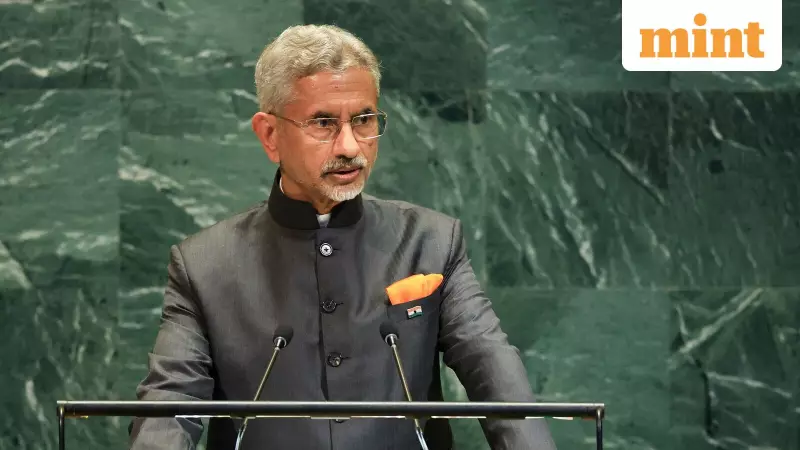
Iran's Foreign Minister Seyed Abbas Araghchi held a telephone conversation with India's External Affairs Minister S. Jaishankar on Wednesday. The two diplomats discussed the rapidly evolving situation in Iran and its surrounding regions.
Jaishankar confirmed the exchange on social media platform X. He stated he received the call from Araghchi and they talked about developments in and around Iran.
Iranian Embassy Criticizes US Actions
Meanwhile, the Iranian embassy in India issued a strong statement about American policies. It accused the United States of undermining global order through unilateral moves.

The embassy specifically mentioned what it called unfair tariffs and Washington's withdrawal from 66 international institutions. It warned these actions bring the world closer to collapsing established norms.
Remaining silent does not reduce these risks, the embassy emphasized. It said such policies will eventually affect every country regardless of size or economic strength.
US Withdraws Personnel from Middle East Bases
These diplomatic developments coincide with military movements. A US official confirmed on Wednesday that America is pulling some personnel from military bases in the Middle East.
The withdrawals come after a senior Iranian official warned neighboring countries. Tehran stated it would target American bases if Washington were to strike Iran.
Iran's leadership faces what it describes as the most severe domestic unrest in the country's history. Simultaneously, it seeks to deter repeated threats from US President Donald Trump.
Trump has threatened to intervene in support of anti-government protesters. Iranian officials accuse the United States and Israel of inciting the violence.
Precautionary Measures and Regional Reactions
A Reuters report cited an anonymous US official explaining the personnel withdrawals. The official called them a precautionary step in response to heightened tensions.
Two European officials stated US military intervention now appears likely. One suggested it could happen within the next twenty-four hours.
An Israeli official also commented, saying it seemed Trump had already decided to intervene. The scope and timing of any potential action remain unclear.
Qatar addressed reductions at Al Udeid air base, the largest US military installation in the region. The Qatari statement said these measures respond to current regional tensions.
According to three diplomats, some staff received instructions to leave the base. However, there were no immediate signs of a mass evacuation.
Officials noted the absence of dramatic scenes like troops gathering at soccer stadiums or shopping malls. Such preparations occurred hours before an Iranian missile attack last year.
Unrest Death Toll and International Characterization
The protests began two weeks ago over severe economic hardship. They have intensified rapidly in recent days.
An Iranian official reported more than 2,000 people killed. A human rights organization estimated the death toll exceeds 2,600.
Both Iran and Western governments characterize this as the most violent turmoil since the 1979 Islamic Revolution. That revolution established Iran's current clerical system.
Armed Forces Chief of Staff Abdolrahim Mousavi spoke on Wednesday. He said Iran had never faced this volume of destruction, blaming foreign adversaries for the violence.
French Foreign Minister Jean-Noel Barrot called it the most violent repression in Iran's contemporary history. The situation continues to develop with significant regional implications.