

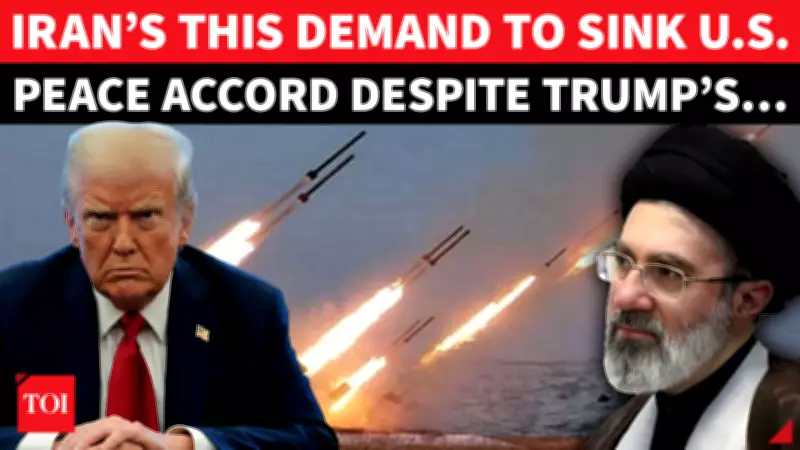
A dispute over $12 billion in frozen Iranian assets has emerged as the first major hurdle to the newly announced U.S.-Iran peace framework. Iranian media reports that the draft memorandum requires billions of dollars to be released before formal negotiations begin, but U.S. officials insist no funds will be unlocked until Iran fulfills its commitments. The disagreement comes ahead of a planned signing ceremony in Geneva and could determine whether the broader deal on sanctions relief, the Strait of Hormuz, and Iran's nuclear program moves forward.
Key Details of the Dispute
The frozen assets, which have been locked in overseas accounts for years, are a central point of contention. Tehran argues that the release of these funds is a precondition for entering into formal talks, while Washington maintains that Iran must first demonstrate compliance with the terms of the framework agreement. The standoff threatens to derail the peace process before it fully begins.
Geneva Signing Ceremony at Risk
The planned signing ceremony in Geneva, which was seen as a diplomatic breakthrough, now hangs in the balance. Both sides are under pressure to resolve the impasse, but the gap between their positions remains wide. The outcome of this dispute will likely set the tone for the future of U.S.-Iran relations.

Broader Implications
The success of the broader deal, which includes sanctions relief, security guarantees in the Strait of Hormuz, and limits on Iran's nuclear program, depends on overcoming this initial hurdle. Analysts warn that failure to reach an agreement on the frozen assets could lead to a collapse of the entire peace framework, escalating tensions in the region.






