Iran Escalates Diplomatic Standoff by Labeling EU Forces as Terrorist Organisations
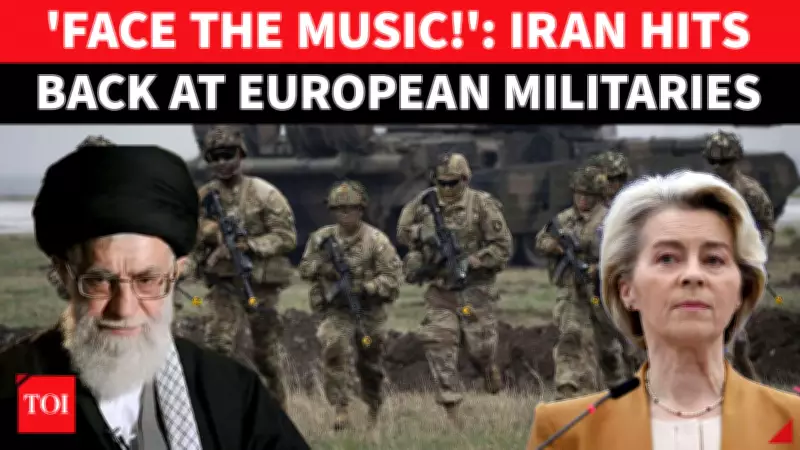
In a significant and provocative diplomatic move, Iran has officially declared the naval and air forces of European Union member states as terrorist organisations. This action comes as a direct retaliation against the EU's recent decision to blacklist the Islamic Revolutionary Guard Corps under its counterterrorism sanctions regime. The tit-for-tat escalation marks a deepening rift between Tehran and Western powers, with potential implications for international relations and security dynamics.
Background and Context of the Reciprocal Measures
The EU's designation of the IRGC as a terrorist entity was implemented as part of its broader counterterrorism efforts, aimed at imposing financial restrictions and asset freezes. In response, Iran has invoked reciprocal legislation that was previously passed after the United States labeled the IRGC a terrorist group. Tehran has condemned the EU's move as unlawful and politically motivated, arguing that it undermines diplomatic efforts and regional stability.
As a result of Iran's declaration, asset freezes and financial restrictions are now being enforced across Europe against the designated EU forces. This development adds a new layer of complexity to ongoing nuclear negotiations and regional conflicts, particularly in the context of heightened tensions involving former U.S. President Donald Trump and other NATO-aligned powers.

Implications for International Relations and Security
The standoff between Iran and the EU signals a sharp escalation in diplomatic hostilities, with both sides digging in their heels. Key points to consider include:
- The potential impact on nuclear talks, as trust and cooperation between the parties may be further eroded.
- Increased risks of military confrontations or proxy conflicts in regions where Iran and EU nations have strategic interests.
- Challenges for international trade and diplomacy, as financial sanctions could disrupt economic ties and humanitarian efforts.
This move by Iran underscores the volatile nature of current geopolitical landscapes, where retaliatory actions can quickly spiral into broader crises. Observers are closely monitoring the situation for any signs of de-escalation or further provocations.