

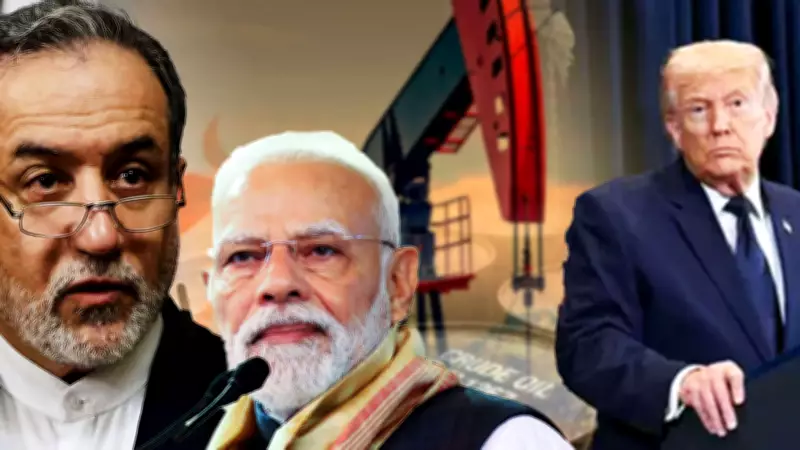
Iran Mocks United States Over Russian Oil Policy Reversal
In a sharp diplomatic jab, Iran has publicly mocked the United States, alleging a significant reversal in Washington's stance on Russian oil imports. The comments come amid escalating tensions in the West Asia region, which have heightened global concerns over energy security and supply chains.
Foreign Minister's Accusation of US Policy Shift
Iran's Foreign Minister, Abbas Araghchi, stated that the White House has performed a complete about-face regarding Russian crude oil. According to Araghchi, the US initially pressured India and other nations to halt purchases of Russian oil as part of broader trade and tariff pressures. However, he claims the US is now actively urging these same countries to continue buying Russian oil to help stabilize global supply during the ongoing conflict.
This alleged policy reversal is framed by Iran as an act of desperation, with Araghchi suggesting the White House is now "begging" India to maintain its imports. The timing of these remarks is critical, as they coincide with rising fears over energy shipments through the strategically vital Strait of Hormuz.

High Stakes for India's Energy Security
For India, the implications are profound. A substantial portion of the country's oil imports traverses the Strait of Hormuz, making the security of this maritime corridor a top national priority. Any disruption could severely impact India's energy supply, affecting everything from industrial operations to daily consumer needs.
The geopolitical landscape places India in a delicate balancing act, navigating relationships with the US, Russia, and Iran simultaneously. Diplomatic channels remain active, with India's External Affairs Minister, Subrahmanyam Jaishankar, engaging in discussions with Iranian counterparts. These talks focus on critical issues such as maritime security and the uninterrupted flow of energy resources.
Broader Context of West Asia Tensions
The ongoing crisis in West Asia has injected volatility into global energy markets. Key developments include:
- Increased military posturing and incidents in the Gulf region.
- Growing apprehensions about the safety of commercial shipping lanes.
- Fluctuating oil prices driven by uncertainty and potential supply disruptions.
Iran's mocking commentary serves to highlight perceived inconsistencies in US foreign policy, while also positioning itself as a pivotal player in regional energy dynamics. The situation underscores the complex interplay between diplomacy, energy economics, and global security, with India's strategic decisions carrying significant weight for both its domestic stability and international relations.






