

Iran Cancels Negotiations With US Following Maritime Incident
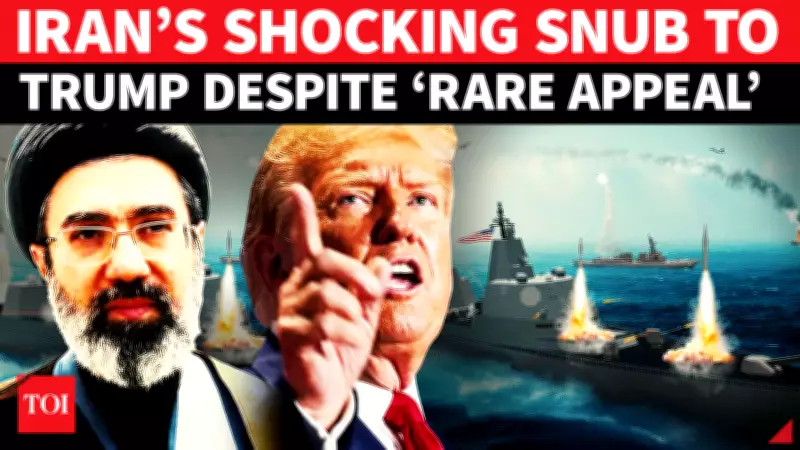
Iran has officially withdrawn from a scheduled second round of diplomatic talks with the United States, directly citing Washington's contradictory demands and the enforcement of a stringent naval blockade as the primary reasons for this decision. This dramatic development comes in the immediate aftermath of a significant maritime confrontation where a US warship engaged with the Iranian cargo vessel Touska, which is under international sanctions.
Tehran Labels Blockade as 'Collective Punishment'
The Iranian government has strongly condemned the ongoing naval blockade, characterizing it as an act of collective punishment against the nation. Officials in Tehran have issued clear warnings of potential retaliation, emphasizing that such measures severely undermine the prospects for peaceful dialogue and regional stability.
This stance was articulated in an official statement, which identified the blockade as the main obstacle to progress in negotiations. The statement further accused the United States of presenting unrealistic and conflicting demands during the preliminary discussions, making a continuation of talks untenable at this juncture.

Strait of Hormuz Becomes Flashpoint Amid Rising Tensions
The strategic Strait of Hormuz, a critical global oil transit chokepoint, is now at the center of this escalating geopolitical crisis. The recent incident involving the US military's actions against the sanctioned Iranian ship has intensified fears of a broader military conflict in the Middle East.
Global oil markets have reacted with sharp volatility to these developments, with prices fluctuating significantly as traders assess the risk of supply disruptions. Analysts are closely monitoring the situation, concerned that any further escalation could trigger a major energy crisis and destabilize international markets.
Background and Broader Implications
The cancellation of talks marks a significant setback in efforts to de-escalate long-standing tensions between Iran and the United States. The first round of negotiations, which had been viewed cautiously by both sides, appears to have collapsed under the weight of recent military actions and diplomatic impasses.
Regional security experts warn that the current standoff increases the likelihood of miscalculations or accidental clashes that could spiral into a wider confrontation. The deployment of additional naval assets by both nations in the Persian Gulf area is being watched with apprehension by the international community.
As the situation develops, world leaders and diplomatic channels are likely to intensify efforts to prevent further escalation, though the immediate outlook remains highly uncertain and fraught with risk.






