In a significant diplomatic revelation, Iran has officially confirmed that channels of communication with the United States remain operational. This disclosure comes at a time of heightened regional instability and underscores the complex, behind-the-scenes engagements between the two long-standing adversaries.
Direct Dialogue Through Established Channels
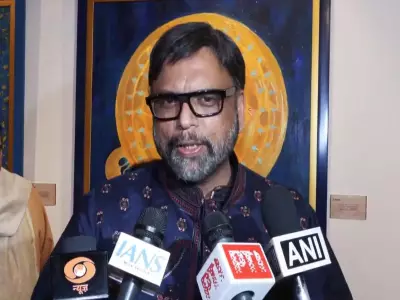
Iran's Ambassador and Permanent Representative to the United Nations, Saeed Iravani, made the statement during a press conference in New York. He clarified that direct talks between Tehran and Washington are conducted through existing and pre-arranged pathways. This system allows for the exchange of messages and management of specific issues without the need for public, high-level meetings.
Ambassador Iravani emphasized that these communications are not new or ad-hoc but are part of a structured process. The confirmation itself is notable, as it brings a degree of transparency to a relationship often characterized by public hostility and private, fragile contacts.

Context of Regional Conflict and Security
This development cannot be viewed in isolation. The region has been a tinderbox since the outbreak of the Israel-Hamas war in October 2023. Tensions escalated further when Iran launched a major drone and missile attack on Israel in April 2024, citing retaliation for an airstrike on its diplomatic compound in Damascus.
In this volatile environment, the open communication lines serve as a critical risk mitigation tool. They provide a mechanism to prevent misunderstandings or miscalculations from spiraling into a wider, uncontrollable conflict. Both nations, despite their profound differences, appear to recognize the necessity of having a direct line to manage crises.
Iran's Stance on Regional Issues
During the press conference, Ambassador Iravani also addressed other pressing matters. He reiterated Iran's position on the conflict in Gaza, calling for an immediate and permanent ceasefire. Furthermore, he touched upon the sensitive issue of Iran's nuclear program, asserting the country's right to peaceful nuclear energy under international oversight.
These statements highlight the multifaceted nature of Iran-US relations, where communication channels must address a bundle of interconnected issues—from regional security and proxy conflicts to the contentious nuclear dossier.
Implications for Diplomacy and Global Stability
The acknowledgment of open lines is a positive signal for diplomatic engagement. It suggests that even amidst fierce public rhetoric, pragmatic dialogue persists. For global observers and regional powers, including India which has strategic interests with multiple parties in the Middle East, this offers a sliver of hope for managed stability.
The key takeaway is the demonstrated utility of backchannel diplomacy. By maintaining these contacts, the US and Iran retain the ability to de-escalate immediate threats, negotiate on matters of mutual concern like prisoner exchanges, and potentially lay groundwork for future, more formal discussions.
However, experts caution that open channels are not a solution to deep-rooted problems. They are a tool for crisis management, not necessarily for conflict resolution. The fundamental disagreements on sanctions, regional influence, and nuclear activities remain substantial hurdles.
In conclusion, Iran's public confirmation serves as a reminder of the dual nature of international relations. While the public stage may be filled with confrontation, the private diplomatic corridors often host necessary and quiet conversations aimed at preventing disaster. The world will be watching to see if these channels can foster more than just crisis aversion in the tumultuous times ahead.