

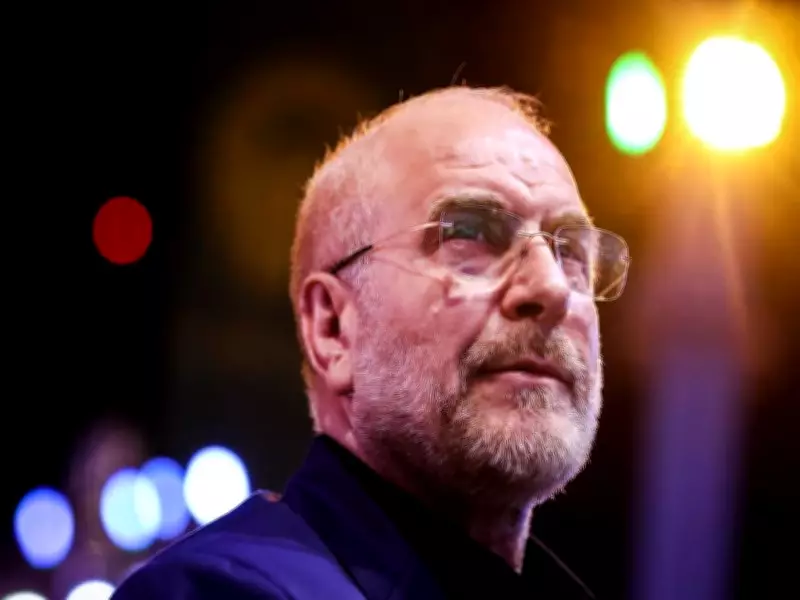
Iranian Parliament Speaker Accuses US of Failing to Win Over Delegates in Islamabad Talks
In a recent statement, Iranian Parliament Speaker Mohammad Bagher Ghalibaf has asserted that the United States was unsuccessful in winning the trust of opposing sides during diplomatic talks held in Islamabad. This declaration underscores the persistent tensions and lack of confidence between Iran and the US, reflecting broader geopolitical challenges in the region.
Ghalibaf's Critique of US Diplomacy
Ghalibaf emphasized that the US delegation failed to secure the confidence of other participants in the Islamabad discussions. He pointed out that this failure is indicative of deeper issues in US foreign policy and its approach to international negotiations. According to Ghalibaf, the lack of trust from opposing sides highlights the ineffectiveness of US strategies in fostering cooperative dialogue.
The Iranian speaker's comments come amid ongoing diplomatic efforts and conflicts involving Iran and the US, with both nations often at odds over various regional and global issues. Ghalibaf's remarks suggest that Iran perceives US diplomatic initiatives as lacking credibility and genuine engagement.

Context of the Islamabad Talks
The talks in Islamabad were part of broader international discussions aimed at addressing regional stability and cooperation. However, Ghalibaf's statement implies that these efforts were hampered by the US's inability to build rapport with other delegates. This situation raises questions about the future of such diplomatic engagements and the potential for progress in resolving conflicts.
Analysts note that Ghalibaf's criticism aligns with Iran's longstanding skepticism towards US intentions, often citing historical grievances and current political disputes. The failure to win over delegates, as described by Ghalibaf, could signal a setback for US diplomatic outreach in the region.
Implications for US-Iran Relations
Ghalibaf's assertion that there is "no trust in the opposing side" underscores the deep-seated mistrust that characterizes US-Iran relations. This lack of trust complicates efforts to negotiate agreements or foster mutual understanding, potentially leading to prolonged tensions and instability.
The Iranian Parliament speaker's comments may also influence domestic and international perceptions of US diplomacy, portraying it as ineffective in critical multilateral settings. As both nations continue to navigate complex geopolitical landscapes, such statements highlight the challenges in bridging divides and achieving diplomatic breakthroughs.
In summary, Mohammad Bagher Ghalibaf's remarks reveal a critical view of US diplomatic efforts in Islamabad, emphasizing the ongoing trust deficit and its implications for regional diplomacy. This development adds another layer to the intricate dynamics between Iran and the US, with potential repercussions for future negotiations and international relations.






