

Shirgao's Devi Lairai Jatra Implements Stricter Measures Following Last Year's Stampede
In the village of Shirgao, the annual Shree Devi Lairai jatra, scheduled for April 21, will proceed with significant changes aimed at enhancing safety and comfort for attendees. This year, visitors walking the streets during the festival will find a more controlled environment, as stalls selling toys, sweets, clothes, and utensils have been completely banned. This decision comes in response to last year's tragic stampede, which resulted in the loss of six lives, prompting authorities to overhaul security protocols.
Comprehensive Security Overhaul to Prevent Crowd Disasters
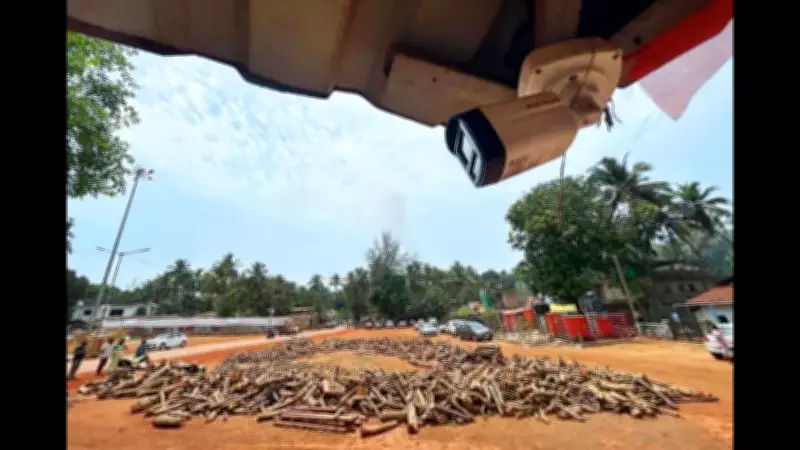
To avert a similar catastrophe, the entire festival area will be under extensive surveillance with CCTV cameras and a heavy deployment of police forces. North Goa collector Ankit Yadav has led multiple site inspections and coordination meetings with police, fire, and emergency services to ensure robust arrangements. The village has been strategically divided into six zones, with approximately 1,000 police personnel assigned to manage crowd flow effectively. A central control room will be established in the heart of Shirgao to monitor public movements in real-time, ensuring swift response to any incidents.
Expected Crowds and Devotee Participation
The jatra is anticipated to draw around 2 lakh visitors on its inaugural day, with peak crowds expected during the nighttime 'homkund' ritual. A key feature of the event is the participation of 'dhonds', special devotees of the goddess, with an estimated 40,000 attending on the first day of the five-day celebration. Temple committee president Dinanath Gaonkar reported that while registration is ongoing, the temple has already received 20,000 applications, and 7,000 dhonds are officially registered with the committee. Separate arrangements within the temple will cater to the general public and these dedicated devotees to maintain order.

Reduced Commercial Activity and Festival Progression
In a stark contrast to previous years, where over 400 stalls were permitted for the jatra fair, only 34 stalls have been approved this time. These will primarily sell lime juice and water to dhonds, as confirmed by Gaonkar. This reduction aims to minimize congestion and focus resources on safety. From the second day onward, the festival transitions into 'kaulotsav', where the goddess visits each household in the village, culminating in her return to the temple on the fifth day, attracting large numbers of devotees throughout.
These measures reflect a concerted effort by local authorities and temple officials to balance tradition with safety, ensuring the Devi Lairai jatra remains a revered cultural event without compromising public welfare.






