

Iran-US Nuclear Negotiations Poised for Swift Resumption, Says Pakistan's Defence Minister
In a significant development concerning international diplomacy and nuclear non-proliferation, Pakistan's Defence Minister Khawaja Asif has publicly stated that a new round of negotiations between Iran and the United States is expected to commence in the near future. This announcement underscores ongoing efforts to revive the landmark 2015 Joint Comprehensive Plan of Action (JCPOA), commonly known as the Iran nuclear deal, which has faced severe challenges since the US withdrawal in 2018 under the Trump administration.
Key Details from the Announcement
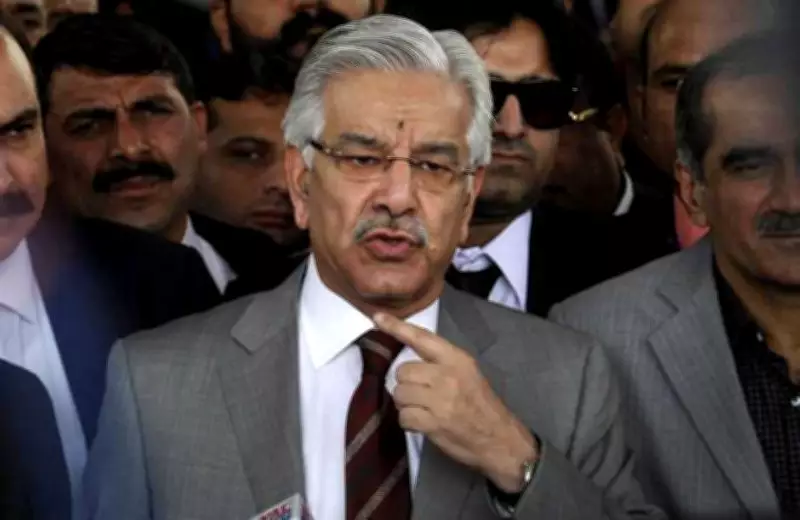
Khawaja Asif made these remarks during a recent media interaction, highlighting the critical importance of diplomatic engagement to address the escalating nuclear tensions in the Middle East. He emphasized that both Iran and the US are actively working towards resuming talks, with the primary objective being the restoration of the JCPOA framework. This deal originally aimed to curb Iran's nuclear program in exchange for sanctions relief, but its future has been uncertain due to political shifts and regional conflicts.
The timing of this announcement is particularly noteworthy, as it comes amid heightened geopolitical instability, including ongoing conflicts in the region and international concerns over Iran's uranium enrichment activities. Asif noted that Pakistan, as a neighboring country with vested interests in regional stability, is closely monitoring the situation and supports peaceful resolution through dialogue.

Implications for Regional and Global Security
The potential resumption of Iran-US negotiations carries profound implications for global security and economic stability. Successfully reviving the JCPOA could lead to:
- Reduced nuclear proliferation risks by reinstating limits on Iran's nuclear activities.
- Eased economic sanctions on Iran, potentially boosting global oil supplies and stabilizing energy markets.
- Improved diplomatic relations between Iran and Western nations, fostering cooperation on other regional issues.
However, challenges remain, including disagreements over verification mechanisms, the scope of sanctions relief, and Iran's demands for guarantees against future US withdrawals. Asif acknowledged these hurdles but expressed optimism that both parties are committed to finding common ground.
Broader Context and International Reactions
This development aligns with broader international efforts, led by European mediators and other stakeholders, to de-escalate tensions. The Biden administration has previously expressed willingness to re-engage with Iran, provided it returns to compliance with nuclear restrictions. Meanwhile, Iran has insisted on tangible economic benefits before scaling back its nuclear advancements.
Pakistan's role in this process, as highlighted by Asif, reflects its strategic position in South Asia and its interest in preventing further conflict that could spill over its borders. The defence minister's statement serves as a reminder of the interconnected nature of global diplomacy, where regional players can influence major power negotiations.
In conclusion, the anticipated resumption of Iran-US talks, as indicated by Pakistan's Defence Minister, marks a pivotal moment in international relations. Stakeholders worldwide will be watching closely, hoping for a breakthrough that enhances peace and security in a volatile region.






