

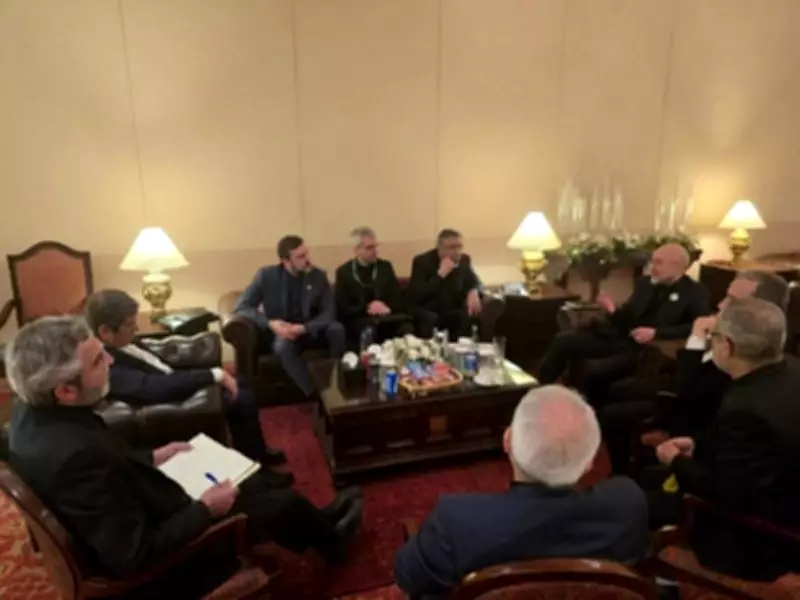
Iranian Negotiators Finalize Agenda in Islamabad Ahead of High-Stakes US Peace Talks
In a significant diplomatic move, Iranian negotiators have arrived in Islamabad, Pakistan, to fine-tune the agenda for impending high-stakes peace talks with the United States. This preparatory meeting underscores the critical nature of the upcoming negotiations, which are poised to address long-standing regional tensions and bilateral relations between the two nations.
Strategic Preparations in Islamabad
The Iranian delegation, comprising seasoned diplomats and policy experts, is engaging in intensive discussions in Islamabad to ensure a well-structured and comprehensive agenda. These talks are designed to cover key issues such as nuclear agreements, regional security concerns, and economic sanctions, with the goal of fostering a more stable and cooperative international environment.
Importance of the Islamabad Meeting: This preliminary session in Islamabad is crucial for aligning Iran's positions and strategies before facing the United States at the negotiation table. By refining the agenda here, Iranian officials aim to present a unified and coherent stance, potentially increasing the likelihood of productive outcomes in the main peace talks.

High-Stakes Nature of the Upcoming Negotiations
The peace talks with the United States are considered high-stakes due to their potential to reshape Middle Eastern geopolitics and influence global diplomatic dynamics. Key points of discussion are expected to include:
- Nuclear Program: Addressing concerns over Iran's nuclear activities and compliance with international agreements.
- Regional Stability: Exploring ways to reduce tensions in conflict-prone areas, such as the Persian Gulf and Syria.
- Economic Relations: Negotiating the easing of sanctions to improve Iran's economy and trade prospects.
These elements highlight the complex and multifaceted nature of the negotiations, requiring meticulous preparation to navigate potential challenges and opportunities.
Broader Implications for International Diplomacy
The outcome of these peace talks could have far-reaching consequences for international relations, particularly in terms of:
- Diplomatic Engagement: Setting a precedent for future dialogues between adversarial nations.
- Regional Alliances: Influencing the strategic alignments of other countries in the Middle East and beyond.
- Global Security: Contributing to efforts aimed at preventing conflicts and promoting peace worldwide.
As Iranian negotiators work diligently in Islamabad, the international community watches closely, recognizing the pivotal role these preparations play in shaping the trajectory of the upcoming high-stakes discussions with the United States.






